


Blog
Medical Grade Silicone Adult Toys: What Should Wholesale Buyers Verify?

“Medical grade” sounds premium, but vague claims create risk. Budgets are tight and rules vary. Verify materials, documents, and suppliers before you scale.
On this page 7 sections
Medical grade silicone adult toys require proof, not slogans. Buyers should verify material details, test reports where available, product finish, packaging labels, and supplier transparency before placing a wholesale.
In our experience, real assurance comes from paperwork plus process: request documents early, approve production-representative samples, run a small mixed order, then scale the winners with private label.
What Does Medical Grade Silicone Mean in Adult Toys Wholesale?
The phrase is used often, but the evidence varies widely.
In consumer goods, “medical grade” is not a universal certificate. It may indicate silicone formulated and tested for medical applications. In adult toys, supplier claims should be checked against material specs, traceability, and relevant test reports tied to the exact SKU and colors.
When a supplier calls a product “medical grade,” we ask what they mean in writing. In regulated healthcare, medical-grade silicone often references strict material traceability and biocompatibility testing (e.g., ISO 10993 series) for specific uses. Many consumer products do not maintain that level of traceability. In the adult market, the term is sometimes used loosely to imply “high-quality, body-safe” silicone.
What buyers should verify:
- Material identity: Platinum-cured (addition-cure) silicone and stated Shore A hardness range. This helps with consistency and feel, but is not a safety guarantee.
- Traceability: Material grade names or batch/lot records. Supplier claims should be checked against purchase orders and production batches.
- Colorants: Pigments should be disclosed. Reports must match the pigments used in your chosen colors.
- Test reports: If “medical grade” is claimed, ask which tests support it. ISO 10993 biocompatibility reports are specific to conditions and samples; confirm scope and lab accreditation if provided.
- Surrounding compliance: For electronics, CE/UKCA, REACH/RoHS, UN38.3 (batteries), and any wireless approvals may apply depending on the product.
Bottom line: The phrase alone is not enough. Tie every claim back to documents, materials, and the SKU you plan to buy.
Why Should Buyers Be Careful With Medical Grade Claims?
Marketing shortcuts can hide material changes or incomplete testing.
Buyers should be careful because “medical grade” can be used without matching documents, or with reports that do not reflect production materials and colors. Rely on verifiable specs, not buzzwords.
We’ve reviewed files that look impressive at first glance but fail on details. Common issues include old reports with different pigments than your SKU, supplier names that do not match the factory, or “summary letters” without test methods. Another risk is sample drift: showroom samples made with one silicone blend while bulk production uses another. A simple odor or surface change can flag this, but you need documentation to confirm.
Practical red flags and checks:
- One-pagers that simply say “FDA approved” without test methods or lab details. Treat with caution.
- Reports that reference different SKU numbers, colors, or materials than your order.
- No Shore hardness or cure system stated; material “feel” may vary between batches.
- Strong odor or tackiness in samples; may indicate oil-bleed or incompatible additives.
- Perfect pricing with instant lead times on “premium” claims; ask how the supplier controls consistency.
A better path is process-based assurance: request dated, lab-accredited reports; align documents with the exact product and pigmentation; verify QC steps; and pilot mixed orders. For clarity, some buyers also evaluate “food grade” or “body-safe” claims as alternative signals, but those too require documents. If your focus is USA/Germany, align claims with local expectations and labeling rules.
What Documents Should Wholesale Buyers Ask Suppliers For?
Good suppliers can share a structured file pack tied to your SKUs.
Ask for material and pigment details, relevant test reports, compliance declarations, packaging/labeling files, and QC criteria. Confirm lab accreditation and make sure documents match the exact silicone and colors you plan to buy.
A practical document list for premium silicone sourcing:
- Material and pigments
- Silicone cure system and Shore A hardness.
- Material data sheets or supplier letters referencing grade or batch controls.
- Pigment/colorant declarations that match your SKU palette.
- Safety/compliance (chemical and material)
- If “medical grade” is claimed: any ISO 10993 biocompatibility reports (check scope, dates, labs).
- If “food grade” is claimed: LFGB/EU 1935/2004 or FDA 21 CFR-based migration test reports that match your silicone and colors.
- REACH SVHC and RoHS declarations (and tests if electronics are involved).
- Electronics and logistics (where applicable)
- CE/UKCA DoC and test reports (EMC/LVD/RED as relevant).
- Battery UN38.3 test summary for lithium cells; charger safety info.
- Shipping MSDS for materials where carriers request it.
- Packaging and labeling
- Draft artwork with language coverage for target markets (e.g., German for Germany).
- Barcodes, recycling/WEEE for electronics, importer details for EU placement.
- Care instructions aligned with the material.
- Quality and production
- QC checklist: surface finish, seam lines, odor threshold, charge/hold tests (if electronic), and label verification.
- Golden sample approval record with production photos/videos.
Use a quick table to track status:
| Area | Document | Purpose | Notes |
|---|---|---|---|
| Material | Cure system & Shore | Consistency spec | Buyers should verify per batch |
| Pigments | Colorant declaration | Match colors | SKU- and color-specific |
| Tests | ISO 10993 / LFGB / 21 CFR | Support claims | Check lab and dates |
| Compliance | REACH/RoHS/CE | Market entry | Depends on product details |
| Packaging | Artwork & labels | Legal & retail | Language and importer info |
| QC | Checklist & golden sample | Consistency | Apply to production lot |
After documents, move to a small pilot. Mixed orders help you compare lines from a premium silicone adult toy supplier without overcommitting.
How Does Medical Grade Silicone Compare With Food Grade Silicone?
These terms point to different reference frameworks and evidence.
“Medical grade” generally relates to biocompatibility and traceability for specific uses. “Food grade” relates to food-contact migration limits. In adult toys, both claims require matching documents, and “body-safe” should be treated as a cautious marketing term that still needs proof.
It helps to separate marketing language from testable criteria. Food-contact tests (e.g., LFGB or EU 1935/2004 methods, or FDA 21 CFR references) evaluate migration limits for specified simulants and conditions. Medical-grade claims may cite ISO 10993 biocompatibility testing for particular silicone formulations, but reports must be specific about sample preparation and intended use. Many consumer products do not maintain the full traceability chain that true medical applications require.
A concise comparison:
| Aspect | “Medical grade” (consumer context) | “Food grade” |
|---|---|---|
| Typical evidence | ISO 10993 tests (if any), material traceability letters | LFGB/EU 1935/2004 or FDA 21 CFR migration tests |
| Scope | Biocompatibility under defined conditions | Food-contact safety under defined conditions |
| Common gaps | Reports not matching production materials/colors | Tests done on different colors than ordered |
| Buyer action | Verify scope, lab, and SKU linkage | Verify pigments, methods, and batch relevance |
Where does “body-safe” fit? It is a general comfort term used in marketing. It does not replace documents. Buyers should verify what specific tests and materials support any “body-safe” statement. If your catalog targets USA or Germany, map claims to local expectations and labeling. For USA, consider chemical disclosures like Proposition 65 with your legal team. For Germany/EU, keep REACH, RoHS (if electronics), CE, language requirements, and EU economic operator details in order. If you want to stock items positioned around “safest sex toy materials silicone,” align the claim carefully with documented evidence and avoid absolute language.
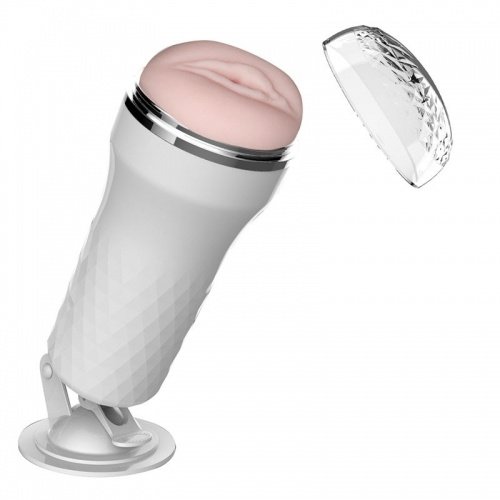
How Can wmcustomdolls Help Buyers Source Premium Silicone Adult Toys?
New buyers need clarity on materials, documents, MOQs, and packaging steps—not just a price list.
We coordinate multi-brand sourcing, compare silicone options across SKUs and markets, and help buyers verify supplier claims. Our team supports mixed pilots, document reviews, and private label once top SKUs prove demand.
Our approach is practical and staged. We start by understanding your price bands, target markets, and desired features. Then we propose a compact pilot using standard packaging to keep MOQ reasonable, depending on product details and current stock. During sampling, we align on Shore hardness, colorants, and finish expectations, and gather available reports—whether a supplier positions a product as “medical grade,” “food grade,” or simply “premium platinum-cured silicone.” Supplier claims should be checked line by line.
When you scale, we can coordinate OEM and private label support: artwork dielines, barcode rules, and packaging print runs. Selected products may support regional warehousing or faster replenishment, subject to availability at the time of ordering. For USA/Germany market placement, we help map documentation checklists by SKU so your listings and labels match local norms. If you want to explore broader categories alongside silicone-focused lines, browse our adult toys wholesale catalog. To compare testable “food grade” options, see food grade silicone sex toys wholesale. When you’re ready, please contact our team and we’ll outline MOQ ranges, timelines, and a pilot plan tailored to your goals.
FAQ
Is “medical grade silicone” always better for adult toys?
Not necessarily. The term can mean different things depending on documents and material controls. Buyers should verify which tests support the claim and whether they match the exact SKU and pigments.
What if a supplier only provides a short “FDA passed” note?
Treat it cautiously. Ask for full reports with methods, limits, and results, plus lab accreditation and dates. Ensure the documents match your product materials and colors before ordering.
Do I need ISO 10993 reports to sell in the USA or Germany?
Not in all cases. Requirements depend on product type and claims. If “medical grade” is advertised, matching evidence may be expected. For EU/DE, keep CE (if electronics), REACH, RoHS, and labeling in order.
Can I start with a mixed order while I verify documents?
Yes. A mixed pilot spreads risk and gives faster feedback on quality, demand, and logistics. It also lets you compare different silicone lines before committing to private label.
How do MOQs change with private label packaging?
Custom boxes and manuals introduce print-run minimums and extra lead time, depending on product details. Standard packaging often allows lower starting MOQs for pilots.
Conclusion
Verify claims with documents, approve samples, and pilot mixed SKUs before scaling. Our team can help map materials, MOQs, and packaging for your market. Contact wmcustomdolls for silicone sourcing support.
Planning a Wholesale Order?
Share your product interests, estimated quantity and destination market with our team.
Request Wholesale Information