


Blog
Safest Sex Toy Materials Silicone: Is It a Good Choice for Wholesale Buyers?

Mixed claims create returns and mistrust. Teams need proof, not slogans. Let’s reduce risk with clear, repeatable checks.
On this page 7 sections
Silicone is often preferred among the safest sex toy materials, but buyers should verify specifications, documents, finish, odor, and packaging details to ensure market-fit and reliable wholesale scaling.
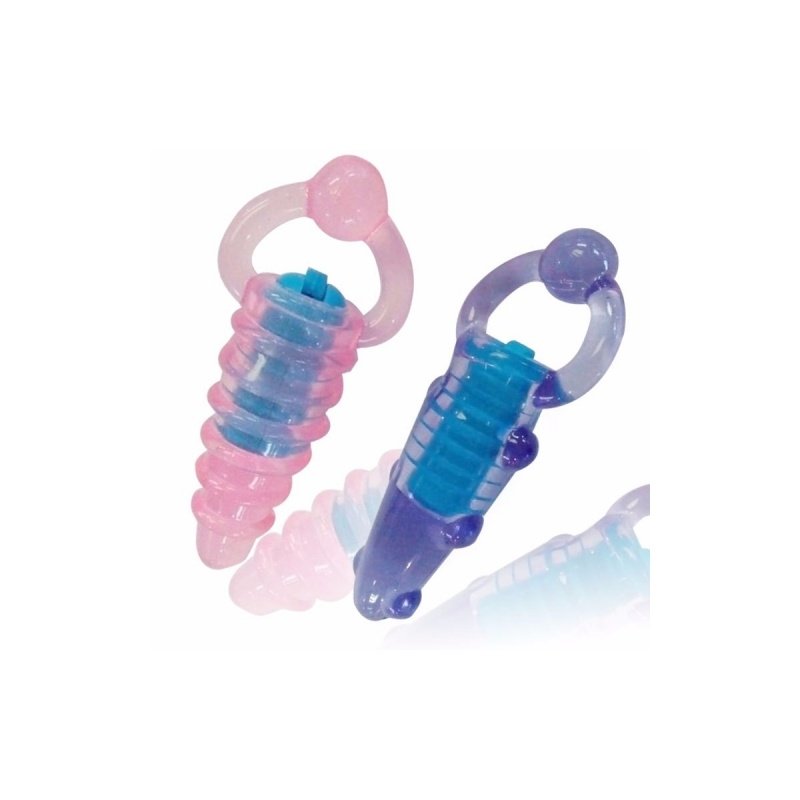
In our experience, the fastest path to confident decisions is simple: verify paperwork, approve production-representative samples, run a small mixed order, measure returns, then scale the winners with private label.
Why Is Silicone Often Discussed Among the Safest Sex Toy Materials?
“Safe” is vague, but quality signals are concrete. Poor verification leads to complaints.
Silicone is commonly used in higher-quality products for its stable texture, non-porous construction, and clear care guidance. It may be suitable for premium positioning, yet supplier claims should be checked against SKU-specific documents and consistent production quality.
Across partner brands, we see silicone supporting a premium story because it typically offers consistent feel, defined Shore A hardness ranges, and durable finishes when processes are controlled. Platinum-cured (addition-cure) silicone is often preferred for stable mechanical properties and predictable molding. However, “silicone” is not a single standard; formulations, pigments, and post-processing choices differ by factory and batch.
What we ask suppliers to share:
- Material details: cure system and Shore A range for each SKU; not a safety guarantee, but a basis for consistency.
- Pigment declarations: colorant lists that match your selected palette; documents should reference the exact colors ordered.
- Process indicators: sample-to-bulk consistency in texture, seam lines, odor, and color.
- Claims and evidence: if “food safe silicone adult toys” are advertised, buyers should verify with migration test reports that match the actual silicone and pigments.
Silicone can anchor premium assortments, but the safest sex toy materials silicone decision should be evidence-led, not marketing-led.
How Does Silicone Compare With TPE, PVC, Glass, and Metal?
Wrong material strategy can strain margins and increase returns.
Silicone usually supports premium positioning and stable finishes. TPE offers softness and lower price points but may be more care-sensitive. PVC varies by formulation. Glass and metal are non-porous and durable, serving niche preferences with clear cleaning guidance.
Wholesale catalogs work best with clear tiers—premium, mid, and entry. Silicone often fits premium due to finish stability and clear care communication. TPE can deliver softer touch at attractive margins, but it may require careful storage and can show oil-bleed if blends aren’t stable. PVC differs widely; supplier claims should be checked since additives affect odor and surface feel. Glass and metal are rigid, non-porous options favored by customers who want firmness and easy cleaning, though unit costs and packaging protection needs are different.
A practical comparison:
| Material | Common traits | Typical positioning | Care considerations | What to verify |
|---|---|---|---|---|
| Silicone | Stable texture, non-porous, heat tolerant | Premium | Simple care instructions, avoid abrasive cleaners | Cure system, Shore, pigments, claim documents |
| TPE | Soft, elastic, budget-friendly | Mid/Budget | More sensitive to oils and heat | Odor, oil-bleed, storage guidance |
| PVC | Variable by formula | Entry/Mid | Depends on additives and finish | Plasticizers, odor, formulation transparency |
| Glass | Non-porous, rigid, easy to clean | Niche/Premium | Handle and package carefully | Tempering claims, packaging protection |
| Metal | Non-porous, rigid, weighty feel | Niche/Premium | Straightforward cleaning | Alloy details, finish quality |
Assortment tip: combine silicone-led premium SKUs with selected TPE or rigid options for breadth. Track returns and reviews by material to inform reorders.
What Should Wholesale Buyers Check Before Sourcing Silicone Adult Toys?
Skipping verification invites batch surprises and customer complaints.
Buyers should verify material specs, pigment documents, test reports where claims are made, finish consistency, odor, packaging/labeling, and market requirements. Start with production-representative samples, then a small mixed pilot before committing larger volumes.
We recommend a three-step path: documents, samples, pilot. First, request silicone cure system and Shore A range per SKU, plus pigment declarations for your chosen colors. If a product claims “food safe,” ask for food-contact migration tests (e.g., LFGB/EU 1935/2004 methods or relevant FDA 21 CFR references) that match the silicone and pigments used. “Body safe” is a general marketing phrase; supplier claims should be checked and aligned with specific test evidence where available. Avoid unsupported terms like “medical grade” or “100% safe.”
Define QC and packaging criteria up front:
- Surface and seams: consistent texture, minimal flashing, clean edges.
- Odor: record intensity at unboxing; strong persistent smells may indicate additive issues.
- Tack/oil-bleed: quick wipe test for residue.
- Color consistency: compare to a signed golden sample under consistent lighting.
- Electronics (if applicable): simple charge/hold and noise checks; button and seal integrity.
Market-fit packaging:
- USA: cautious claim wording; consider any chemical disclosures with your legal team.
- Germany/EU: CE for electronics (where relevant), REACH/RoHS declarations, EU economic operator details, and German-language manuals where expected.
A concise sourcing checklist:
| Area | What to request | Why it matters |
|---|---|---|
| Material | Cure system, Shore A range | Controls feel and consistency |
| Pigments | Colorant list per SKU color | Ensures documents match production |
| Tests | Food-contact or other claims evidence | Supports marketing and market entry |
| QC | Finish, odor, tack criteria in PO | Aligns expectations and inspections |
| Packaging | Artwork, languages, importer info | Reduces relabeling risk |
| Pilot | Small mixed order | Validates demand and quality before scaling |
Are Food Safe and Body Safe Silicone Claims Enough?
Short claims can mislead buying decisions and create compliance gaps.
“Food safe,” “body safe,” and “medical grade” are not the same. Food-contact tests review migration limits under defined conditions; “body safe” is a broad comfort term; “medical grade” implies stricter evidence and traceability. Buyers should verify exactly which documents support each claim.
We often see “food safe silicone adult toys” used to indicate lower extractables. This may be supported by LFGB or EU 1935/2004 test methods—or certain FDA 21 CFR references—when the reports match the actual silicone and pigments in your SKUs. “Body safe silicone sex toys USA” is a common search phrase, but it lacks a single test standard; it should be backed by relevant, SKU-specific evidence where possible. “Medical grade” usually suggests biocompatibility tests and rigorous traceability for specific applications—standards many consumer products do not maintain.
How to handle claims responsibly:
- Ask for the exact test method, lab accreditation, dates, and report pages.
- Confirm that tests reference the finished product or representative samples and the same pigments.
- Keep packaging language cautious and evidence-aligned.
- Train your team to explain differences: food-contact vs. general body-safe positioning, without overpromising.
The safest sex toy materials silicone conversation works best when marketing language follows the documents—not the other way around.
How Can wmcustomdolls Help Buyers Source Silicone Adult Toys?
Quotes alone don’t solve quality. Process and follow-through do.
We help compare silicone options across partner brands, verify supplier claims, and build pilots with practical MOQ. Our team supports OEM/private label packaging and market-fit documents for USA and Germany-facing retailers, depending on product details and current availability.
Our workflow prioritizes clarity and speed without overcommitting. We begin with discovery—target markets, price bands, categories, and desired features. Next, we shortlist silicone SKUs aligned to your positioning, often starting with standard packaging to keep initial MOQs manageable. During sampling, we define acceptance criteria for surface finish, odor, color consistency, and (if relevant) basic electronics checks. We also collect available test reports supporting any “food safe” statements and align packaging language with evidence.
Once samples pass, we arrange a small mixed order to measure sell-through and returns for 30–60 days. With data in hand, we coordinate OEM/private label: dielines, language coverage, barcodes, and regional requirements for Germany/EU where appropriate. Selected products may support regional warehousing or replenishment options, but current choices can vary. Custom orders typically need around 30 days lead time depending on the product type and production schedule. Throughout, our team communicates proactively and documents decisions so you can scale with confidence.
FAQ
Is silicone always the safest choice for every customer?
Not necessarily. Silicone is often preferred for premium lines due to stable finishes and clear care guidance, but suitability depends on product details, market expectations, and verified materials. Buyers should test and review documents before scaling.
Which documents support “food safe silicone” claims?
Look for accredited lab reports referencing LFGB/EU 1935/2004 methods or relevant FDA 21 CFR citations that match your silicone formulation and pigments. Confirm dates, sample descriptions, and whether the report ties to your finished product.
Can we start with low MOQ for premium silicone lines?
In many cases, yes—especially with standard packaging and in-stock SKUs. OEM/private label usually increases MOQ due to print runs and adds steps to timelines, depending on the product.
How should we compare silicone to TPE for our assortment?
Define goals and test both. Silicone commonly supports premium pricing and consistent finish. TPE may deliver softer touch at lower costs but can be more care-sensitive. Run a small mixed pilot and track returns and reviews.
What should USA and Germany-focused buyers prepare before launch?
Align claims with evidence, set cautious packaging language, and prepare required documents. For Germany/EU, ensure CE (if electronics), REACH/RoHS declarations, EU economic operator details, and German-language manuals where expected.
Conclusion
Silicone can anchor premium assortments when claims and quality are verified. Pilot thoughtfully, document everything, and scale what sells. Contact wmcustomdolls for silicone adult toys wholesale sourcing support.
Planning a Wholesale Order?
Share your product interests, estimated quantity and destination market with our team.
Request Wholesale Information