


Blog
Food Grade Silicone Sex Toys Wholesale: What Should B2B Buyers Check?

Confusing claims can derail first orders. “Food grade” sounds great, but proof matters. Start with clarity, not slogans.
On this page 6 sections
Food grade silicone sex toys wholesale means sourcing products made with silicone that meets food-contact safety tests. Verify with accredited lab reports, material details, and product-level documentation before you commit to volume.
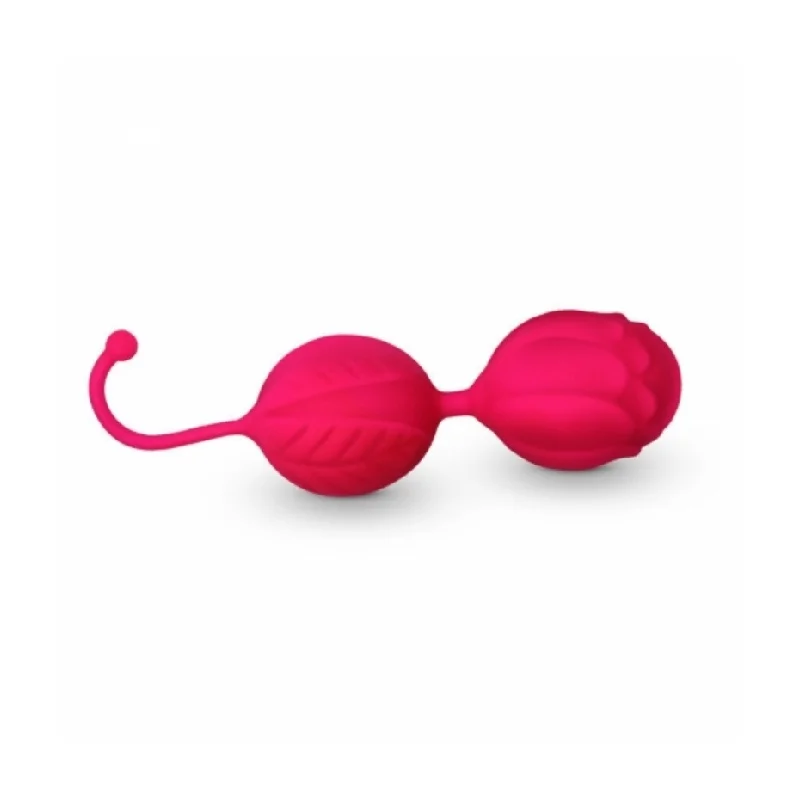
As a multi-brand partner, we’ve seen solid projects and risky shortcuts. In our experience, the fastest way to reduce risk is to request specific documents, approve production-representative samples, and start with a mixed order before scaling.
What Does “Food Grade Silicone” Mean in Adult Products?
The term is used widely in marketing, often without context.
“Food grade silicone” usually refers to silicone that passes food-contact migration tests (e.g., FDA 21 CFR or EU 1935/2004/LFGB). For adult products, ask for test reports from accredited labs and a product-level declaration that matches the exact silicone and colorants used.
In practice, “food grade” is not a universal certification. It points to compliance with food-contact regulations and migration limits. For EU-facing markets, many suppliers test against LFGB or EU 1935/2004 plus relevant EN/EC migration methods. For the USA, suppliers may cite FDA 21 CFR sections that cover elastomers used in food-contact applications. In adult products, these tests are used as a proxy for low extractables and stable pigmentation.
What to check:
- Material and pigment scope: Reports must match the specific silicone formulation and colorants used in your SKU(s).
- Test scope and lab: Look for accredited labs (e.g., SGS, TÜV, Intertek) and complete test methods with limits and results.
- Product-level declaration: Ask for a DoC stating the product uses the same silicone grade and colorants as tested.
- Shore hardness and cure system: Platinum-cured (addition-cure) silicone and specified Shore A hardness help with consistency and feel. Not a guarantee of safety, but part of the spec.
- Surrounding compliance: For electronic SKUs, food-contact reports sit alongside CE/UKCA, RoHS, REACH, battery UN38.3 (for transport), and wireless approvals where applicable.
Bottom line: “Food grade” is one piece of the compliance picture. Treat it as a documented attribute within a broader quality and regulatory file.
Which Documents Should B2B Buyers Verify From Suppliers?
Verbal assurances are not enough for wholesale.
Ask for a structured compliance pack: material data, test reports covering the claimed “food-safe” status, chemical and electronics compliance (where applicable), and packaging/labeling details aligned to your market.
A reliable supplier should provide a clear document set that ties material, product, and market together. We suggest organizing requirements into four buckets:
- Material and chemical safety
- Food-contact reports (if “food grade” is claimed): LFGB/EU 1935/2004 methods or FDA 21 CFR references with actual test results.
- REACH SVHC declaration and RoHS (for electronic versions).
- Pigment/colorant declarations that match the SKU palette.
- Vendor/material traceability: brand and grade of silicone where possible, or at least batch/lot tracking.
- Electronics and battery (for rechargeable/wireless items)
- CE/UKCA DoC referencing LVD/EMC/RED where relevant.
- Battery UN38.3 test summary for transport; basic charger safety info.
- FCC/RED for wireless modules where applicable.
- Packaging and labeling
- Importer/manufacturer details per market rules (EU address required in EU).
- Language coverage for manuals in target markets (e.g., German for Germany).
- Recycling/WEEE marks where applicable for electronics.
- Quality and production
- QA checklist including surface finish, odor threshold, charging stability, noise, and labeling.
- Sample approval record with photos/videos from the production lot, not just showroom units.
If any “medical grade” language appears in a silicone file for this category, treat it carefully. True medical-grade claims often require ISO 10993 biocompatibility testing and strict material traceability, which many consumer products do not maintain. Ask suppliers to specify exactly which tests and grades support their wording.
How Should Buyers Choose SKUs for USA, Germany, and EU Markets?
Different markets expect different documentation, labeling, and logistics flows.
For the USA, plan around chemical disclosures and electronics safety; for the EU/Germany, prioritize CE/REACH/RoHS, correct labeling, and consider LFGB or EU food-contact tests if “food grade” is claimed. Match SKUs and packaging to local languages and importer details.
USA considerations
- Food-contact language is not mandatory for adult products, but if claimed, ensure reports match the product.
- California Proposition 65: review substances and decide on labeling approach with your legal team.
- Electronics: confirm safety and EMC basics; wireless SKUs may require FCC.
- Clear retail packaging with consistent barcodes and care instructions is crucial for returns control.
Germany/EU considerations
- CE/UKCA (for EU/UK respectively): keep a Declaration of Conformity and technical file for electronics.
- REACH SVHC and RoHS: request recent declarations and, where needed, testing.
- “Food grade” claims: look for LFGB or EU 1935/2004-based testing if used in marketing or spec sheets.
- Labeling: include EU economic operator details and language-appropriate manuals; for Germany, provide German-language content.
- WEEE and recycling: plan for electronics take-back compliance where applicable.
Assortment planning
- Start with a compact range: 3–6 SKUs across price tiers.
- Avoid too many colors initially; each color can require separate pigment documentation.
- Use standard packaging for pilots to keep MOQs practical; consider private label after winners emerge.
If you need a quick way to shortlist products, review our adult toys wholesale categories and send your target markets. Our team can map required documents and packaging updates per SKU and region.
How Can Buyers Verify Supplier Claims and Reduce Sourcing Risk?
Good paperwork plus good process beats a flashy quote.
Request documents early, approve representative samples, define QA checks, and start with a mixed order. Private label after you see sell-through and returns data. Keep claims and tests aligned to the exact SKUs and colors.
We suggest a simple, staged approach:
- Document first: Ask for material and compliance files up front. Check dates, lab accreditation, and test scopes.
- Sample smart: Approve samples that match production materials and colors. Record acceptance criteria in writing.
- QA checklist: Define finish, odor, charge/hold tests, noise levels, and label accuracy. Include remedy paths in the PO.
- Mixed pilot order: Spread volume across 4–8 SKUs to learn faster and reduce per-SKU risk.
- Packaging later: Move to private label after top SKUs prove demand. Custom boxes often introduce print-run MOQs and extra lead time, typically around 30 days depending on product and schedule.
- Communication test: Track response speed and clarity. It often predicts how issues will be handled later.
Use a quick decision table to stay objective:
| Checkpoint | What to ask | Good sign | Risk flag |
|---|---|---|---|
| Material tests | LFGB/EU 1935/2004 or FDA 21 CFR reports | Full reports, matching colors | Vague “FDA passed” one-pagers |
| Compliance | REACH/RoHS, CE/FCC where relevant | Current, SKU-specific | Outdated or generic files |
| Samples | Production-representative | Match spec, finish | Different material/color than PO |
| MOQ/lead time | Written explanation | Clear, realistic | “Yes to everything” with no detail |
| After-sales | Defect remedy steps | Defined, timely | Ambiguous or ad-hoc |
When you’re ready to brand, our OEM and private label support can provide dielines, barcode rules, and packaging options. To discuss a mixed pilot plan and MOQ by SKU, please contact our team.
FAQ
Is food grade silicone always safer than other materials?
“Food grade” indicates material tested for food-contact migration within defined limits. It can be a strong signal of stability, but safety depends on the full product, pigments, and manufacturing controls. Always review product-level documentation.
Do I need LFGB testing for the USA market?
Not necessarily. LFGB is a German/EU food-contact framework. Some buyers use it as a stricter reference. For the USA, suppliers may cite FDA 21 CFR sections. Align tests with your marketing claims and legal guidance.
How do I confirm a supplier’s silicone claim is real?
Request complete lab reports, material traceability, and a product-level declaration matching your exact silicone and colorants. Verify lab accreditation and dates. Approve production-representative samples before volume.
What MOQ and lead time should I expect for silicone SKUs?
MOQ and lead time vary by model, packaging, and stock status. Private label adds print-run thresholds and often around 30 days for custom packaging depending on the project. Ask for SKU-specific ranges in writing.
Can I start with a mixed order to reduce risk?
Yes. Mixed pilots help you learn demand, quality consistency, and logistics performance with less exposure per SKU. Scale the winners and introduce private label once data supports it.
Conclusion
Treat “food grade” as a documented attribute within a full compliance plan. Start with a mixed pilot, verify tests, and scale what sells. Contact us to plan your silicone assortment and packaging path.
Planning a Wholesale Order?
Share your product interests, estimated quantity and destination market with our team.
Request Wholesale Information