


Blog
What Is Squirting? Female Ejaculation, G-Spot Stimulation, and Beginner Tips

Squirting 101 is about clarity, comfort, and consent. No pressure, no performance—just useful guidance.
On this page 17 sections
Squirting is often described as a release of fluid through the urethra during arousal or orgasm for some people. It may involve G-spot or CUV-area stimulation and can include fluid from the bladder. Research is mixed, terms vary, and there’s no requirement to achieve it. Explore gently and without pressure.
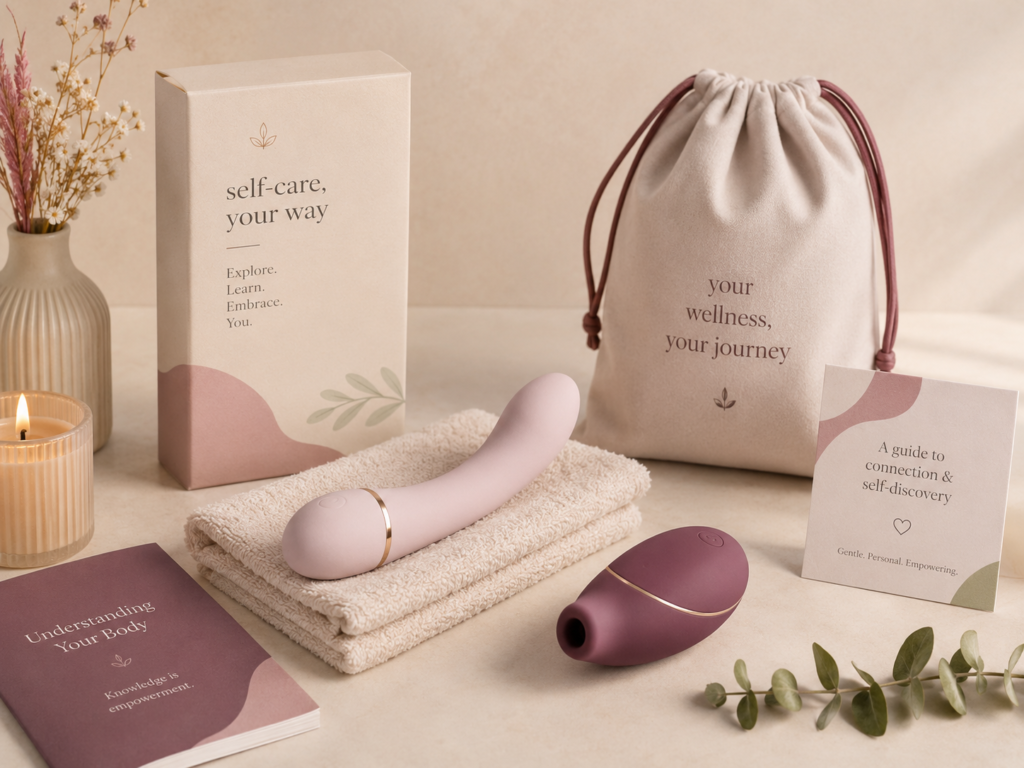
This beginner guide keeps the topic calm, shame-free, and easy to understand. This guide organizes the essentials into simple steps: what squirting may be, how it differs from female ejaculation, how to prepare your space, why relaxation matters, what toys or lube may help, and how to explore solo or with a partner—without turning it into a goal.
What Is Squirting?
Curiosity is normal, but confusing definitions can make this topic feel overwhelming.
Squirting is commonly explained as a noticeable release of fluid through the urethra during arousal or orgasm for some people. It’s not universal and not a requirement for pleasure. The experience varies widely and can be influenced by arousal, relaxation, and technique.
In plain terms, squirting is a fluid release from the urethral opening, sometimes accompanied by a strong sense of pleasure or relief, and sometimes not. Many people do not experience it at all, and that’s okay. Pleasure, comfort, and consent matter more than chasing an outcome.
Squirting vs Female Ejaculation: Are They the Same?
Mixed definitions can cause confusion and frustration.
Female ejaculation is often described as a smaller amount of thicker or milky fluid associated with Skene’s glands. Squirting is often described as a larger release of clearer fluid that research suggests may come mainly from the bladder and may include urine components. They may overlap and are sometimes confused.
Comparison at a glance:
| Term | Typical Fluid Amount | Possible Source | What Beginners Should Know |
|---|---|---|---|
| Female ejaculation | Smaller amount, thicker/milky | Skene’s glands | May occur with arousal/orgasm; not everyone experiences it. |
| Squirting | Larger, often clearer | Often described as bladder-related; may include urine components | Research is mixed; experiences vary; it’s optional, not a goal. |
| Vaginal lubrication | Ongoing moisture | Vaginal walls | Normal arousal response; separate from urethral fluid release. |
We use cautious language because research and terminology vary. It’s fine to use the words that feel right to you, as long as the experience remains comfortable and consensual.
What Are Skene’s Glands?
Anatomy terms can sound intimidating, but the basics are straightforward.
Skene’s glands are small glands located near the urethra that may secrete fluid during arousal or orgasm. They’re sometimes linked to what’s called female ejaculation. Their size, function, and how much fluid they produce vary from person to person.
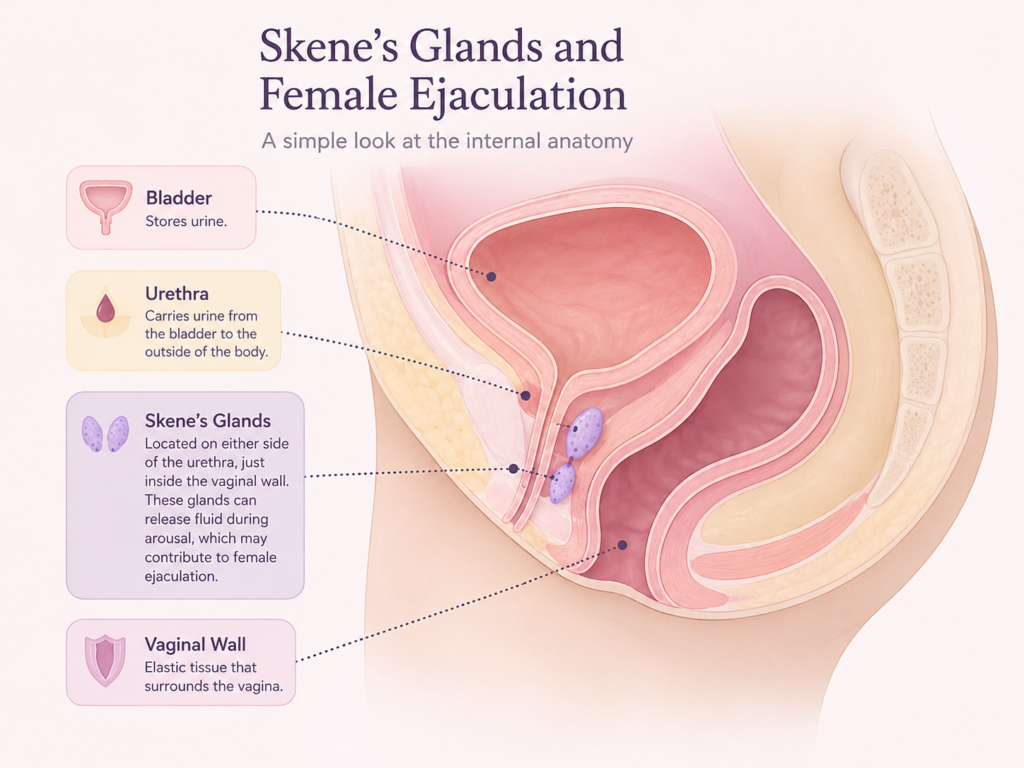
For beginners, it can help to think of Skene’s glands as part of a broader pleasure area around the urethra and vaginal wall. They may contribute to lubrication or ejaculation-like fluid, and they may or may not be involved in squirting. None of this is a requirement for good sex.
Is Squirting Pee? What Research Suggests
Worry about “is it pee?” can create shame and tension.
Research is mixed. Some studies suggest squirt fluid may include components of urine and fluid from Skene’s glands, and the bladder may play a role. This does not make the experience “wrong” or “dirty”—it’s simply one aspect of how some bodies respond during arousal or orgasm.
The goal is accurate, calm understanding. Fluids can vary based on arousal, hydration, and individual anatomy. If you’re curious, explore with towels, lube, and a pressure-free mindset. If you’re not interested, that’s just as valid.
Why Pressure Makes Squirting Harder
Chasing a result often adds stress and reduces relaxation.
Focusing on “how to make it happen” can cause tension, which may reduce arousal and comfort. A calmer approach—curiosity, patience, and attention to pleasant sensations—often makes exploration more enjoyable, whether squirting happens or not.
Try reframing the goal from “squirting” to “comfortable pleasure.” Check in with yourself or your partner, adjust pressure or angle if something feels off, and stop if discomfort appears. There is no timeline or quota.
How to Prepare Your Space
A little preparation reduces stress and mess.
- Privacy and relaxed time
- Towel or waterproof blanket
- Comfortable lighting and temperature
- Water nearby
- Lubricant (see lube section)
- Cleaned toys, if using them
- Communication if with a partner (signals to pause/stop)
Create a low-pressure environment. Set a simple plan: warm up, use lube, and move slowly. Keep clean-up items nearby so you can stay in the moment.
The Role of Relaxation, Arousal, and Communication
Techniques are only part of the story.
Relaxation and arousal often matter more than any single motion. Many beginners find that longer warm-up, steady breathing, and playful curiosity help more than “tricks.” If you’re with a partner, communicate preferences, check in regularly, and stop if discomfort appears.
Let the receiving partner control the pace. If you’re exploring solo, be patient with yourself. Feeling pressured often works against arousal; having options and time supports it.
G-Spot, Clitoris, and the CUV Complex
It’s not just about a single “spot.”
Many guides emphasize the G-spot, but pleasure often involves the broader clitoral-urethral-vaginal (CUV) complex—structures around the clitoris, urethra, and anterior vaginal wall that may respond to combined stimulation. For some, external clitoral warm-up plus internal pressure feels better than either alone.
Keep exploration gentle and non-graphic: experiment with light pressure, angles, and rhythms while staying relaxed. If something feels uncomfortable, pause and reset. The best approach is the one that feels good to you, not a step-by-step formula.
Best Toys That May Support G-Spot and Clitoral Stimulation
Toys can support comfort and exploration, not guarantee results.
Common beginner-friendly categories include G-spot vibrators, curved internal vibrators, clitoral stimulators, dual-stimulation vibrators, and wand vibrators for external warm-up. Choose body-safe materials, simple controls, and shapes that feel unintimidating. Start at the lowest intensity, with plenty of lube.
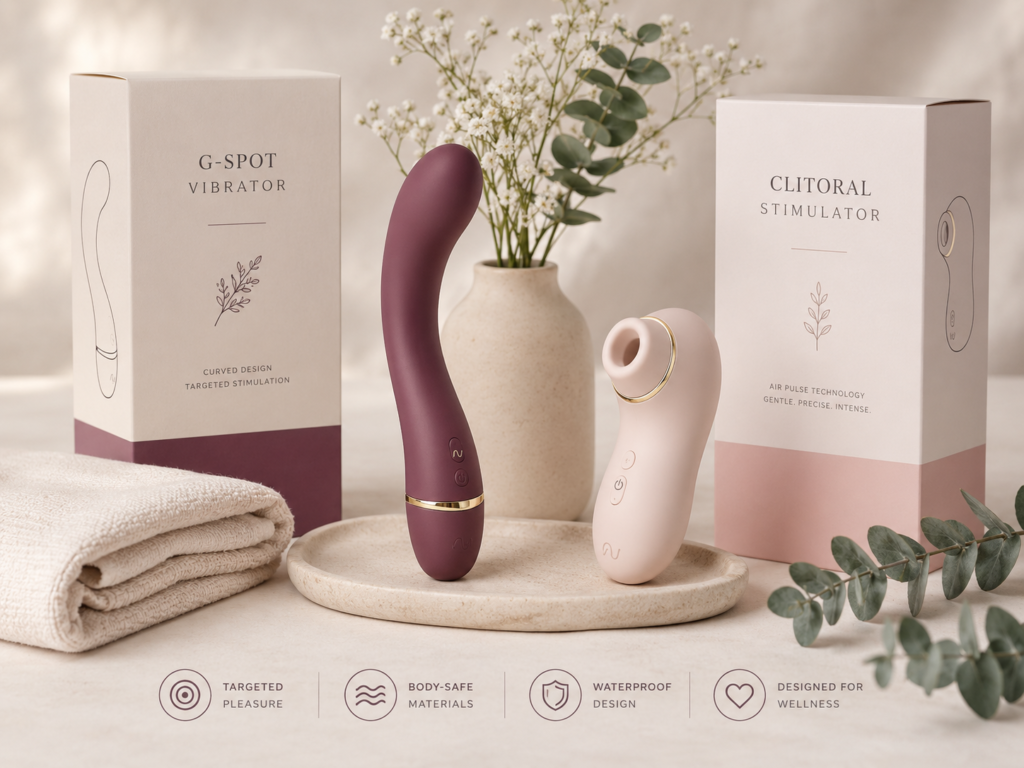
Quick comparison:
| Toy Type | Possible Use | Beginner-Friendly? | What to Check |
|---|---|---|---|
| G-spot vibrator | Focused internal pressure/curved tip | Often | Body-safe material, gentle curve, low-speed settings |
| Curved internal vibe | Broader internal massage | Often | Smooth finish, easy-to-hold handle |
| Clitoral stimulator | External warm-up or primary focus | Yes | Intensity range, quiet motor |
| Dual-stimulation vibe | Combined internal + external stimulation | Sometimes | Fit/ergonomics, flexible arm, easy controls |
| Wand vibrator | External warm-up and muscle relaxation | Yes | Weight balance, soft head, variable speeds |
In our experience, beginners often start with external warm-up (clitoral or wand) and then decide whether internal pressure feels comfortable. Explore slowly and keep expectations modest.
Why Lube Matters
Friction can get in the way of comfort and arousal.
Lube reduces drag and helps you focus on pleasant pressure rather than rubbing. Water-based lube is broadly compatible with many toys and condoms, but always check product instructions. Apply generously and reapply as needed during longer sessions.
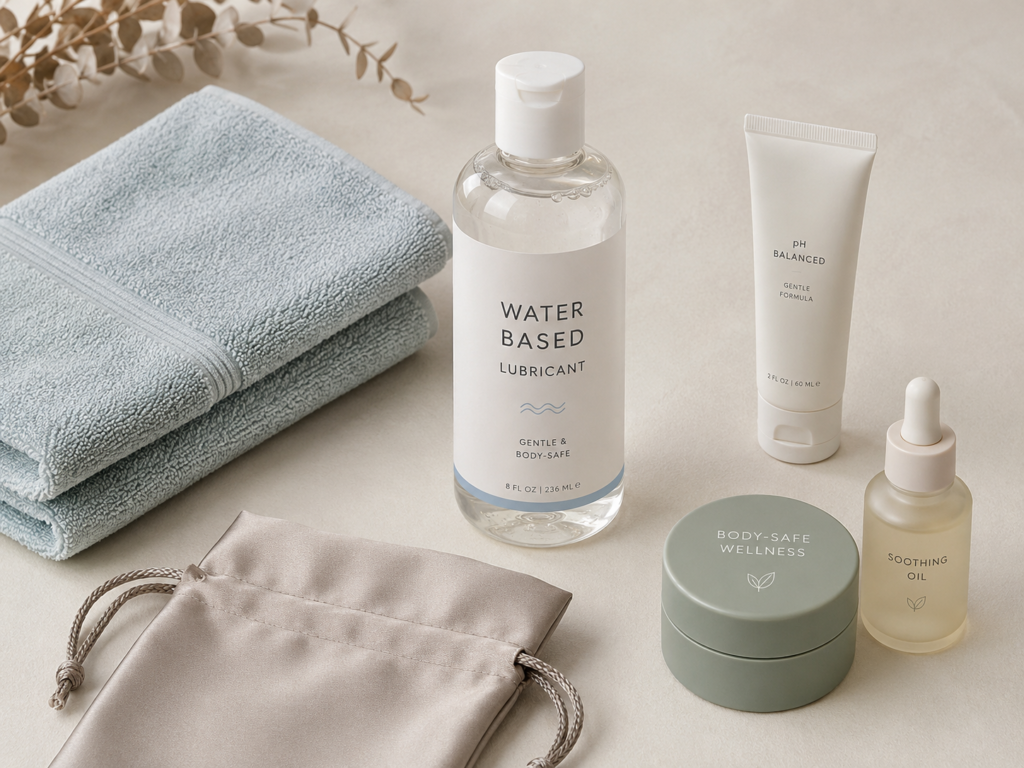
Our simple rule: if movement feels sticky or distracting, add lube. If you’re using silicone toys, make sure your lubricant works with that material. A small bottle nearby keeps the session comfortable and flexible.
How to Explore Squirting Solo
Solo exploration can reduce pressure and distractions.
- Set time aside so you’re not rushed
- Relax and focus on warm-up
- Use plenty of lube
- Notice sensations and adjust pressure or angle slowly
- Try different rhythms without chasing a specific result
- Stop if anything feels uncomfortable
A gentle practice might look like external warm-up, breath focus, and then optional internal pressure with a clean finger or a small, body-safe curved toy. Keep your attention on comfort cues, not output. It’s okay if nothing “big” happens—pleasant, relaxed exploration is valuable on its own.
How to Explore Squirting with a Partner
Partners can help with relaxation—if communication stays clear.
- Consent and comfort first
- Talk about preferences and boundaries beforehand
- Use lube generously
- Keep towels nearby
- Let the receiving partner control pressure and pace
- Ask for feedback, use a pause/stop signal
- Don’t treat squirting as a measure of success
If something feels off, pause and reset. Keep the focus on shared comfort and curiosity. A relaxed, playful approach is often more supportive than “trying techniques.”
Common Myths About Squirting
Myths can create pressure and unrealistic expectations.
- Myth: Everyone can squirt.
- Myth: Squirting proves someone had a better orgasm.
- Myth: Squirting is always the same as female ejaculation.
- Myth: There is only one technique.
- Myth: If it does not happen, something is wrong.
Reality check: pleasure is diverse and personal. There’s no single roadmap or requirement.
Common Mistakes to Avoid
Small adjustments can make exploration easier.
- Putting pressure on yourself or a partner
- Rushing
- Skipping arousal and warm-up
- Using too little lube
- Ignoring discomfort
- Using toys without cleaning them
- Relying only on one technique
- Treating porn as an accurate guide
Most issues trace back to tension or speed. Slowing down and adding lube often help.
What Adult Toy Brands and Retailers Can Learn
Beginner-friendly products and clear education go hand in hand.
- Body-safe materials with clear labeling
- Ergonomic G-spot or clitoral-focused designs
- Waterproof or easy-clean construction
- Compatible lube guidance on the box
- Discreet, approachable packaging
- Clear product instructions and quick-start guides
- Realistic, non-shaming product language
- Consistent quality control for finishes and seams
At wmcustomdolls, we see better outcomes when products explain what they are (and are not) designed to do, and when packaging includes simple care icons and size information. Retailers and brands serving cautious beginners may benefit from clear category pages for G-spot vibrators, clitoral stimulators, body-safe silicone toys, and waterproof vibrators, paired with accessible education and support options (including adult toys wholesale and OEM and private label support for stores expanding their lines).
FAQ
What is squirting?
Squirting is often described as a release of fluid through the urethra during arousal or orgasm for some people. Research is mixed on exact sources; experiences vary widely and it’s optional, not a goal.
Is squirting the same as female ejaculation?
Not exactly. Female ejaculation is often described as smaller, thicker fluid linked to Skene’s glands, while squirting is often described as a larger release that may be bladder-related. The terms are sometimes confused and may overlap.
Is squirting pee?
Research suggests squirt fluid may include urine components and possibly fluid from Skene’s glands. This doesn’t need to be a source of shame; it’s one way some bodies respond.
Can everyone squirt?
There’s no evidence everyone can or should. Many people never experience it, and that’s normal. Pleasure does not require squirting.
Does squirting mean a better orgasm?
No. Squirting does not prove a “better” orgasm. Quality of pleasure is personal and not measured by fluid.
What is the G-spot?
Many describe the G-spot as an area on the anterior vaginal wall that may respond to pressure. It’s part of a broader CUV complex around clitoral, urethral, and vaginal structures.
What toys may help with G-spot stimulation?
Curved internal vibrators and G-spot vibrators may help apply pressure comfortably. External options like wands or clitoral stimulators can support arousal first. Choose body-safe materials and start on low settings.
Do you need lube?
Lube isn’t mandatory, but it often makes exploration more comfortable. Water-based lube is broadly compatible with many toys and condoms, but always check product instructions.
How can partners talk about squirting without pressure?
Discuss boundaries and preferences ahead of time, agree on a pause/stop signal, and let the receiving partner control the pace. Focus on comfort and connection, not producing a result.
What if squirting does not happen?
Nothing is wrong. Enjoy what feels good, and stop if discomfort appears. If you have ongoing concerns about pain or function, consider speaking with a healthcare professional.
Conclusion
Squirting and female ejaculation are normal but variable experiences—not performance goals. Explore with curiosity, consent, and comfort: prepare your space, warm up patiently, use lube, and choose body-safe toys. Keep communication open, pause when needed, and trust your pace. Results can vary, and pleasure does not depend on squirting.
Planning a Wholesale Order?
Share your product interests, estimated quantity and destination market with our team.
Request Wholesale Information