


Blog
Water-Based Lubricants and Adult Toys: What Materials Are Compatible?

Mismatched lubricants can ruin surfaces and lead to returns.
On this page 9 sections
Water based lubricant for adult toys is widely compatible with common materials like silicone, TPE, ABS, and metal, but always confirm on the product packaging. We explain why it matters, what to avoid, and how to read instructions.
%water based lubricant for adult toys care setup
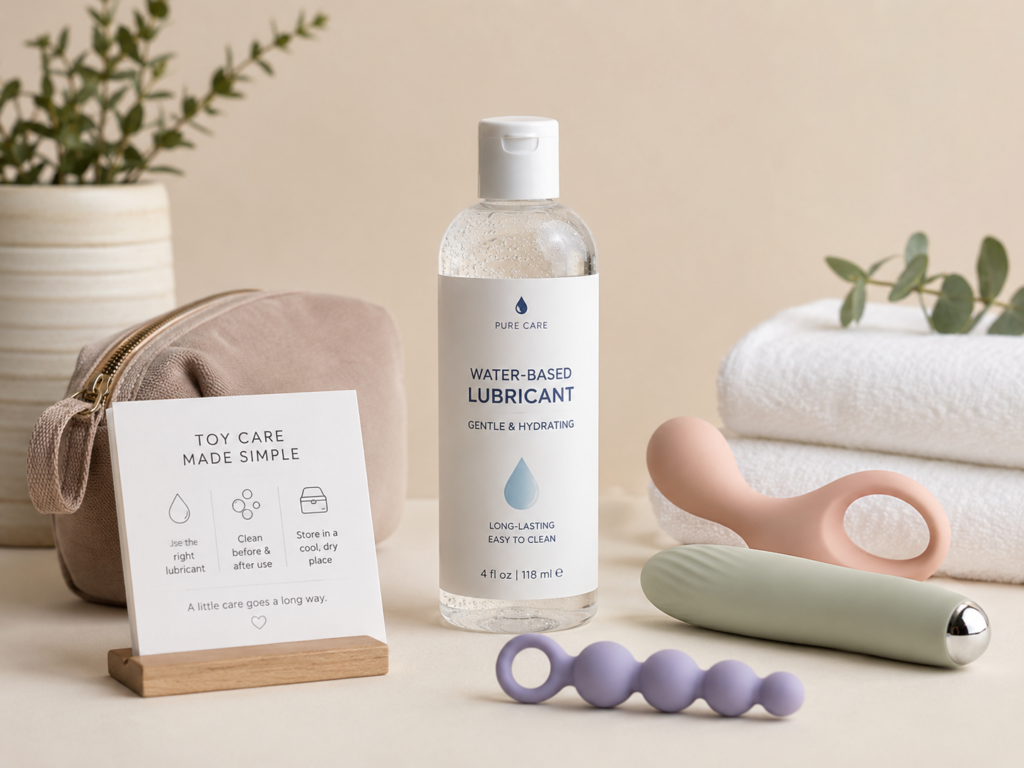
In this guide, we focus on practical compatibility guidance. We start with why lubricant choices matter, then define what “water-based” means, followed by clear answers for silicone products. We end with a simple materials comparison, label-reading tips, and a short section for retailers.
Why Lubricant Compatibility Matters?
Small mistakes can cause surface wear or sticky textures.
Using the right lube helps protect surfaces, keep cleaning simple, and reduce product issues. Water-based options are typically the most versatile, but reading material notes and care cards prevents avoidable damage and confusion.
Compatibility affects the entire ownership experience. In our experience, when buyers pair a toy with the wrong lubricant, the surface may become tacky, lose finish, or interact poorly with storage conditions. This can turn a simple routine into a replacement request. With the right pairing, cleanup is quick, storage is straightforward, and the product feels consistent over time. Most households find that water-based options fit daily life because they rinse easily and work across silicone, ABS plastic, metal, and many TPE products. However, there are exceptions. Some brands approve specific silicone lubricants for particular silicone surfaces, while others advise against them. Oil-based lubricants can also interact with certain materials and barrier methods. That’s why clear labels, consistent icons, and a short care card are essential in the box.
The toy material, the lubricant base, and the manufacturer’s instructions. The majority of surface issues arise when materials and lubricant bases are mixed without checking guidance. For example, silicone lube may bond to some silicone surfaces, while oil-heavy products can cling to TPE or latex barriers. Water-based lube usually avoids those pitfalls but can vary in thickness and ingredients. Thicker gels may last longer but require extra rinsing; thin formulas may need more frequent reapplication. If you share products or switch between materials, it’s safer to keep a single, compatible water-based option nearby. When in doubt, test a drop on a small, hidden area, wait, and check for surface changes. This simple habit prevents bigger headaches later.
What Is Water-Based Lubricant?
The label looks simple, but formulas vary.
Water-based lubricants use water as the primary solvent, with thickeners and humectants for glide. They are typically easy to rinse, widely compatible, and a practical default for mixed-material collections.
Water-based formulas cover a wide spectrum—from very thin to thick gel textures. We find many buyers prefer them because they work across silicone adult toys, TPE sleeves, ABS housings, and polished metal surfaces without lingering residue when rinsed properly. Some include ingredients for longer-lasting glide; others prioritize quick cleanup. Because formulas vary, check if a product notes pH range, fragrance-free claims, or sensitive-skin positioning if that matters to you. For toys with electronics, water-based lubricants are less likely to migrate into seams than oil-heavy formulas, especially if you apply modestly and wipe excess promptly. For storage, rinse and dry the toy thoroughly before placing it in a pouch so any remaining lubricant doesn’t attract dust.
Consider how you plan to use the lubricant. If you need frequent reapplication, choose a pump bottle that’s easy to handle and won’t leak in a drawer. If you prefer thicker glide, select a gel-style water-based option; it often stays where you put it and simplifies cleanup. If you’re sensitive to additives, look for short ingredient lists and fragrance-free labels. For mixed-material households—silicone accessories, ABS-handled devices, and a metal item—water-based choices cut down on guesswork. Remember that even water-based products can leave a light film if not rinsed completely. A simple wash with warm water and mild, fragrance-free soap removes residue. Keep towels lint-free and dry items fully before storage to avoid dust pickup. Over time, a consistent routine—apply, enjoy, rinse, dry, store—protects both the toy surface and your storage space.
Can You Use Water-Based Lube with Silicone Toys?
Simple answer first, then nuance.
Yes. Water-based lube is commonly recommended for silicone toys. It’s widely compatible and easy to rinse. Always check your toy’s care card for any brand-specific instructions or ingredient warnings.
Silicone adult toys are a popular category because of their soft-touch surfaces and predictable care. In our experience, water based lubricant for adult toys is a dependable match for silicone. Thin water-based formulas feel light and easy to refresh; thicker gels can reduce reapplication. After use, rinse, wash with mild, fragrance-free soap, and dry completely. Some brands allow specific silicone lubricants on certain silicone surfaces, but the guidance is not universal. If you’re curious, confirm on the packaging or manual, and patch-test a tiny area. For most buyers—especially beginners—a quality water-based option keeps maintenance simple and reduces risk of finish changes. If you’re comparing materials, explore silicone adult toys and note how different surface finishes impact glide and cleaning.
Can You Use Silicone Lube on Silicone Adult Toys?
This is where most confusion starts.
Sometimes, but not always. Some silicone toys tolerate certain silicone lubricants, but others may experience surface changes. Follow the manufacturer’s guidance and patch-test if permitted. If uncertain, default to water-based.
We aim to keep expectations realistic. The phrase “silicone on silicone” sounds simple, yet formulations differ widely. Some premium silicone items can pair with certain silicone lubes without issues, while other surfaces may develop tackiness over time. The safest approach is to read the care card and follow the brand’s statement. If silicone lube is permitted, test a small spot and wait before full use. For many households, sticking to water-based options avoids guesswork and makes cleanup fast. If you experiment with silicone lube, store the toy separately and recheck the surface after washing and drying. Any change in texture—draggy feel, residue, or cloudiness—means stop and revert to water-based. We prefer practical, repeatable routines because they reduce support tickets and product frustration.
Common Adult Toy Materials and Lubricant Compatibility
A quick map reduces trial and error.
As a rule of thumb, water-based lube pairs well with silicone, TPE, ABS, and metal. Oil-based and silicone-based products require careful checking and may not suit certain surfaces or barrier methods.
Use this comparison as a starting point, then confirm on the package:
| Material | Water-based lube | Silicone lube | Oil-based lube |
|---|---|---|---|
| Silicone | Generally recommended | Brand-dependent; patch-test | Often not recommended with barriers |
| TPE | Generally recommended | Often not advised | Often not advised with barriers |
| ABS (rigid parts) | Generally recommended | Usually fine on ABS surfaces | May leave residue; check guidance |
| Metal (non-electronic) | Generally recommended | Usually fine on polished surface | Usually fine on non-porous; check barriers |
Materials are not the only factor. Consider electronics, seams, and waterproof ratings. For items with charging ports, any lubricant—water-based included—should be applied modestly and kept away from openings. For TPE, prompt cleaning matters because residues can linger on the surface. For metal, cleaning is straightforward on non-electronic parts, but dry thoroughly to avoid water spots. ABS housings are rigid and usually easy to wipe, yet the insertable portion may be a different material; follow the stricter rule if the product mixes materials. Finally, think about your storage plan. Even when you choose the right lube, poor storage (heat, sunlight, dust) can shorten product life. A dedicated pouch and a cool, dry drawer go a long way.
How to Read Product Instructions Before Use?
Most answers are already in the box.
Look for material labels, lube guidance, cleaning steps, and waterproof notes. If the manual is unclear, default to water-based lube and simple wash-and-dry care until you confirm details with the brand.
We encourage buyers to review the front and back of the box and the care insert. You’re looking for four things: material name (e.g., silicone), recommended lubricant type (often water-based), cleaning guidance (warm water + mild, fragrance-free soap), and waterproof rating (waterproof vs splashproof). If a product includes multiple materials—say, a silicone surface with an ABS handle—follow the strictest guidance. For silicone lube questions, the brand’s statement is the final word. Keep a small, lint-free towel nearby so cleanup is immediate. If you misplace the manual, many brands offer quick-start pages you can reference by model name. Until you confirm, water-based lube is a practical default for routine use.
Why Clear Compatibility Guidance Matters for Retailers?
Fewer surprises mean fewer returns.
Retailers benefit when packaging and product pages list explicit material names, lube guidance, and simple care icons. Clear info speeds up buying decisions, reduces support tickets, and helps align assortments across brands.
For wholesale and private label planning, consistency is everything. We recommend requesting material declarations for all contact surfaces, standardizing lube guidance (e.g., “water-based recommended”), and using a shared icon set for cleaning and waterproof ratings. A concise care card inside each box reinforces these points and prevents misuse. If you’re developing a private label range, pilot-test with a small mixed order and collect feedback on instructions and surface feel. At wmcustomdolls, our team often helps partners harmonize packaging templates and care instructions so shoppers understand lubricant compatibility at a glance. If you’re comparing assortments, consider starting with silicone-led lineups supported by clear water-based guidance, then expand selectively based on reviews and repeat purchases. Teams exploring adult toys wholesale and seeking OEM and private label support can align specs early to keep launches smooth.
FAQ
Is water-based lube always safe for every toy?
It’s widely compatible and a practical default, but always check the packaging or manual. If instructions are unclear, start with water-based, clean promptly, and confirm with the brand.
Can I use silicone lube with silicone toys?
Sometimes, but not universally. Some brands permit it, others don’t. Follow the care card and, if allowed, patch-test a small area before full use to check for surface changes.
What about oil-based lubricants?
Oil-based lubes can interact with certain materials and barrier methods. Unless your product specifically allows them, it’s safer to choose water-based for routine use and easier cleanup.
How do I clean toys after using water-based lube?
Rinse, wash with warm water and mild, fragrance-free soap, and dry completely with a lint-free towel. Keep electronics dry and store in a dedicated pouch to avoid dust.
What if my manual is missing or unclear?
Default to water-based lube, follow simple wash-and-dry care, and avoid submersion unless the product is clearly rated waterproof. Contact the brand to confirm any material-specific notes.
Conclusion
Clear lubricant guidance protects products and builds trust. For wholesale assortments, OEM briefs, or private label packaging clarity, contact wmcustomdolls to discuss adult toys wholesale and OEM and private label support.
Planning a Wholesale Order?
Share your product interests, estimated quantity and destination market with our team.
Request Wholesale Information