


Blog
Bullet Vibes vs Bullet Vibrators: How Stores Should Name Categories and SKUs

Stores often use several names for the same product format across navigation menus, listings, supplier spreadsheets, packaging, advertising, and customer-service records.
This inconsistency can create confusing navigation, overlapping category pages, difficult SKU comparisons, weaker internal linking, and uncertainty about which product a customer or buyer means.
“Bullet Vibrators” is usually the clearest formal category term, while “bullet vibes” is a useful conversational variation. Both terms can appear on one strong category page without requiring duplicate collections.
WMCustomDolls uses product-group labels such as Mini Bullet Vibrators and Bullet Vibrators within its wider Toys structure, alongside broader vibrator and other adult toy categories. The exact public labels may evolve, but the practical principle remains the same: search language can vary while category architecture and product identity stay consistent.
This guide addresses bullet vibes vs bullet vibrators from an adult toy SEO, catalog management, wholesale, and private label perspective. Readers looking for basic product information can instead visit our general bullet vibrator guide.
Are Bullet Vibes and Bullet Vibrators the Same Product Category?
Shoppers often shorten product names, while purchasing teams, packaging designers, and catalog managers usually need more formal classifications.
“Bullet vibrator” is the direct singular product classification, “bullet vibrators” is the usual category form, and “bullet vibes” is a conversational variation. These terms can describe the same general product format, but their best use depends on the page, record, or marketing context.
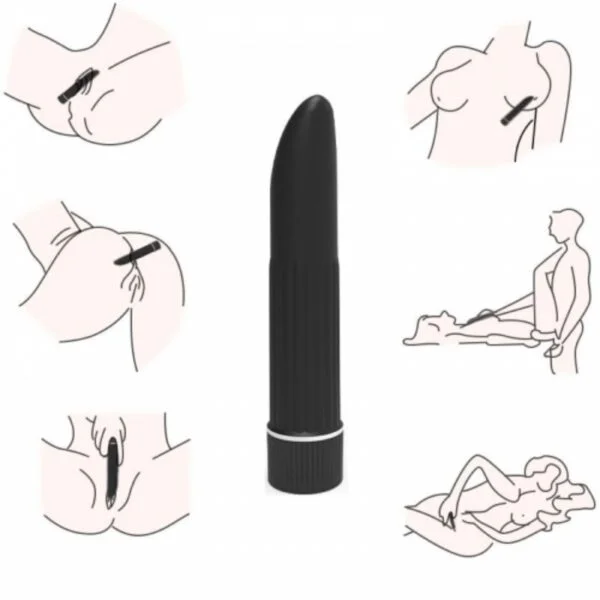
A search variation is not automatically a separate technical category. Shoppers may type “mini vibrator,” “compact vibe,” or “bullet vibe” when looking for similar products, but marketing language should not determine classification by itself.
The product’s verified format and dimensions should decide whether it belongs in a bullet vibrator category. For example, “mini” should identify a genuinely smaller model or a defined size range. It should not be added only because the phrase has search demand.
| Term | Best use |
|---|---|
| Bullet Vibrator | Individual product name, specification, packaging |
| Bullet Vibrators | Main category, H1, breadcrumb, wholesale catalog section |
| Bullet Vibes | Supporting copy, promotional heading, FAQ, internal search synonym |
| Mini Bullet Vibrator | A genuinely smaller product format when dimensions support the label |
| Compact Vibe | Marketing wording only when it accurately describes the product |
Related product classes need a different decision. A genuinely broader or distinct product group may justify its own collection because it serves different browsing needs. Our guide to clitoral vibrators vs bullet vibrators explains how different category scopes can overlap without becoming identical collections.
The central rule is simple: use search language to help shoppers find products, but use controlled product data to classify them.
Which Term Should Stores Use for the Main Category?
Creative labels can work in advertising, but unclear formal categories make menus, breadcrumbs, feeds, and wholesale catalogs harder to manage.
“Bullet Vibrators” is normally the most understandable formal category label. Stores should use it consistently across navigation, category headings, breadcrumbs, product types, feeds, reporting, and wholesale catalog sections when those elements represent the same product group.
A clear e-commerce product taxonomy gives every term a defined role. The formal category should normally remain stable across:
- Main navigation
- Category H1
- Breadcrumb
- Category URL
- XML sitemap entry
- Product type
- Structured product fields
- Wholesale catalog
- Internal reporting
- Merchant or marketplace feeds
A practical example could be:
Navigation:
Bullet Vibrators
URL:/bullet-vibrators/
H1:
Bullet Vibrators
SEO Title:
Bullet Vibrators for Retail and Wholesale
Opening copy:
Compare compact bullet vibrators and mini bullet vibes by size, controls, charging method, packaging, and current wholesale availability.
This is an example architecture, not a recommendation to change an established live URL immediately. A store may already have an indexed category using another clear and workable path.
An existing indexed URL should not be changed merely to replace one synonym with another. Stores should first review current traffic, backlinks, internal links, redirects, indexing, and ranking history.
If a migration is justified, the team should prepare redirects, update internal links, revise feeds, check canonical settings, and monitor indexing. A casual URL change can create more disruption than any small wording improvement can solve.
Should Stores Create Separate Bullet Vibes and Bullet Vibrators Pages?
Creating a new collection for every search variation may appear to expand SEO coverage, but it often produces several pages with no meaningful difference.
Stores should not create separate “bullet vibes” and “bullet vibrators” categories when the pages contain substantially the same inventory, filters, and buyer intent. One complete primary category is usually clearer for shoppers, internal links, and catalog maintenance.
Avoid automatically publishing all of these:
/bullet-vibrators//bullet-vibes//mini-bullet-vibes//small-bullet-vibrators/
When each URL displays the same products, the result may include:
- Duplicate or near-duplicate inventory pages
- Competing title tags and H1 headings
- Split internal links
- Thin category descriptions
- Confusing breadcrumbs
- Unclear canonical choices
- Repeated maintenance work
- Poorer customer navigation
A stronger approach is to create one useful primary category page. Search variations can then appear in its opening copy, relevant subheadings, FAQ, selected product descriptions, metadata, internal search synonyms, and meaningful internal anchors.
| Situation | Recommended action |
|---|---|
| Same products and same intent | Use one category page |
| Different product format and buyer intent | Consider a separate category |
| Same products but different promotional language | Use supporting copy, not another category |
| A real mini range with distinct dimensions and filters | A separate subcategory may be justified |
| A temporary campaign | Use a campaign page only when it offers unique value |
| Internal shopper terminology | Add site-search synonyms |
Ordinary WordPress tag archives should not be created merely to target every synonym. A public tag such as “bullet vibes” offers little value if it repeats the primary category without unique products, filters, editorial content, or browsing purpose.
Before creating a new collection, catalog managers should ask: does this page serve a distinct customer decision? If not, the wording probably belongs on the existing category page.
How Should Stores Use “Bullet Vibes” Naturally?
Excluding conversational language can make copy sound rigid, but repeating it unnaturally can reduce clarity and weaken the professional tone of a store.
Use “bullet vibes” as supporting language in category introductions, promotional headings, FAQs, selected metadata, product copy, and internal search. It should expand the language of the primary category rather than compete with its formal classification.
Natural examples include:
- Explore compact bullet vibrators and mini bullet vibes for modern retail collections.
- Compare bullet vibes by size, control type, charging method, and packaging.
- Are bullet vibes and bullet vibrators the same category?
- Retail-ready bullet vibes for mixed wholesale selection.
Avoid keyword combinations such as:
- Shop bullet vibes bullet vibrator products.
- Best bullet vibes bullet vibrators wholesale supplier.
- Bullet vibe vibrator mini bullet toy collection.
These phrases do not help a shopper understand the range. They look like keyword lists rather than retail copy.
Appropriate placements include:
- Category introduction
- One relevant H2 or H3
- FAQ
- Promotional banner
- Meta description
- Internal search synonym
- Product copy where natural
- Image alt text when accurate
Alt text must describe the actual image first. It should not become a place to insert every variation.
Good: Compact bullet vibrators displayed in retail packaging
Good when accurate: Mini bullet vibes in coordinated private label packaging
Bad: Best bullet vibes bullet vibrators wholesale SEO products
Effective adult toy SEO connects shopper language with useful content. It does not require every variation to appear in every element.
How Should Singular and Plural Keywords Be Used?
Switching between singular and plural without a clear system can make product pages, category records, and purchasing documents look inconsistent.
Use “bullet vibrator” for an individual SKU and “bullet vibrators” for a category or collection. Reserve “bullet vibes” for conversational support, promotional wording, FAQs, and internal search synonyms.
Use “bullet vibrator” for:
- Individual product pages
- Product titles
- Specification fields
- Packaging product type
- SKU descriptions
- Customer-service references
Use “bullet vibrators” for:
- Category pages
- Collection pages
- Wholesale catalog sections
- Navigation
- Category SEO titles
- Product-range paragraphs
Use “bullet vibes” for:
- Conversational supporting copy
- Marketing headings
- FAQs
- Internal search synonyms
- Promotional collection wording
Practical examples include:
Category title:
Bullet Vibrators for Retail and Wholesale
Product title:
Luma Mini Rechargeable Bullet Vibrator
Wholesale spreadsheet:
Luma Mini Bullet Vibrator — SKU BV-104
Promotional heading:
Compact Bullet Vibes for Gift-Focused Collections
A store should avoid repeatedly changing the official product type between “vibe,” “vibrator,” “mini massager,” and “personal device” within one SKU record. Alternative wording can support discovery, but the formal classification should stay stable.
This distinction also improves reporting. A catalog team can group all products under the controlled value “Bullet Vibrator” while an SEO team uses approved search variations in customer-facing copy.
What Product Title Structure Works Best?
Product titles often become difficult to scan when teams try to include every feature, synonym, and promotional claim in one line.
A practical title formula is: Brand or Model Name + Product Type + One or Two Verified Differentiators. This structure keeps adult toy product titles recognizable while helping shoppers, buyers, and support teams identify the exact SKU.
Examples include:
- Luma Mini Rechargeable Bullet Vibrator
- Vela Lipstick-Style Bullet Vibrator
- Mira Bullet Vibrator with Storage Case
- Nova Compact Bullet Vibrator
- Arc Battery-Powered Bullet Vibrator
Avoid titles such as:
- Best Bullet Vibes for Everyone
- Powerful Safe Waterproof Mini Vibe
- Bullet Vibes Bullet Vibrator Adult Toy
- Medical-Grade Bullet Vibe
- Travel-Safe Mini Vibrator
Product titles should not include every keyword. They should identify the item and highlight only differentiators supported by the exact SKU specifications.
| Weak title | Improved title |
|---|---|
| Amazing Mini Vibe | Luma Mini Bullet Vibrator |
| Best Bullet Vibes | Nova Compact Bullet Vibrator |
| Silicone Bullet | Mira Silicone-Exterior Bullet Vibrator |
| Waterproof Mini Toy | Arc Water-Resistant Bullet Vibrator |
| Powerful Travel Vibe | Vela Bullet Vibrator with Storage Case |
Use “water-resistant,” “silicone-exterior,” or similar features only when current documentation for the exact model supports that wording. The same rule applies to noise, power, materials, compatibility, and transport-related statements.
Good product naming is not only an SEO task. It gives purchasing, fulfillment, marketplace, and customer-service teams a dependable reference.
How Should Category Titles and Meta Descriptions Be Written?
A title that targets every variation may become unreadable, while a vague meta description gives shoppers little reason to visit the page.
Category titles should state the formal product group and the page’s real commercial purpose. Meta descriptions should summarize the available range or comparison value using natural keyword variations without promising rankings, sales, safety, or universal suitability.
Possible category SEO titles include:
- Bullet Vibrators and Mini Bullet Vibes
- Bullet Vibrators for Retail and Wholesale
- Compact Bullet Vibes: Product Range Guide
- Rechargeable Bullet Vibrators for Online Stores
Possible meta descriptions include:
Compare bullet vibrators and mini bullet vibes by dimensions, controls, charging method, packaging, and current wholesale options.
Explore compact bullet vibes with clear product specifications, retail-ready packaging, and selected private label options.
Source bullet vibrator models for mixed wholesale orders or private label projects and compare current product details.
The SEO title should match the inventory and purpose of the page. A wholesale phrase should not be added if the page offers no trade information or inquiry route. A private label phrase should not be used when customization is unavailable for the listed products.
Meta descriptions should remain useful summaries rather than keyword lists. They should not promise ranking improvements, guaranteed sales, medical benefits, absolute safety, or suitability for every buyer.
Strong vibrator category copy explains meaningful distinctions within the available range. It should not repeat “bullet vibrator” in every paragraph merely to reach a target frequency.
How Can Internal Site Search Handle Different Terms?
Customers do not always use the same vocabulary as the site navigation, so a clear category can still become difficult to find through an inflexible search box.
Internal site-search synonyms can map “bullet vibes,” “bullet vibe,” and similar queries to the primary Bullet Vibrators category and relevant products. This improves findability without publishing a separate indexable archive for every wording variation.
Common shopper queries may include:
- Bullet vibes
- Bullet vibe
- Bullet vibrator
- Bullet vibrators
- Mini bullet
- Compact vibrator
- Lipstick vibe
A practical mapping could be:
| Shopper query | Suggested destination |
|---|---|
| Bullet vibes | Bullet Vibrators category |
| Bullet vibe | Bullet Vibrators category and relevant products |
| Mini bullet | Mini Bullet Vibrators category |
| Compact vibrator | Relevant compact products, depending on specifications |
| Lipstick vibe | Lipstick-style models, when available |
Internal search and public SEO architecture are different systems. A synonym mapping helps shoppers reach an established category. An indexable tag archive creates another public URL that search engines and site managers must evaluate.
Search teams should review zero-result reports and common customer wording regularly. If many visitors search “mini bullet,” the first response may be to add a synonym or improve filtering. A separate subcategory becomes appropriate only when there is a real mini range with consistent dimensions, enough products, distinct filters, and a clear browsing purpose.
Why Does Naming Consistency Matter for Wholesale SKUs?
A wholesale buyer may see one name online, another on the invoice, and a third on the carton, making receiving and repeat ordering unnecessarily difficult.
Consistent adult toy SKU naming connects the website, quotation, invoice, purchase order, packaging, barcode, warehouse record, catalog, feed, and customer-service history. The retail name may change, but a stable supplier or internal SKU should identify the exact product.
A controlled record can include:
| Field | Example |
|---|---|
| Retail name | Luma Mini Bullet Vibrator |
| Supplier SKU | BV-104 |
| Product category | Bullet Vibrator |
| Search variation | Mini Bullet Vibe |
| Dimensions | Verified measurements |
| Power type | Rechargeable |
| Charging method | Verified model-specific method |
| Packaging | Standard or private label |
| Approved retail copy | Current version |
| Care reference | Model-specific manual |
The same SKU should be visible where practical across:
- Website administration
- Supplier quotation
- Pro forma invoice
- Purchase order
- Packaging
- Manual
- Barcode record
- Warehouse system
- Product feed
- Wholesale catalog
- Customer-service records
- Repeat-order documents
A marketing name may be refreshed without changing the underlying product. The SKU preserves the connection to specifications, purchasing history, stock, and support cases.
However, if materials, controls, power system, construction, dimensions, or other significant specifications change, the business should evaluate whether a new SKU or version number is required. Reusing an old SKU for a materially different item can create fulfillment errors and unreliable customer-service records.
What Should Private Label Brands Approve?
Private label naming can break down when the website, package, manual, barcode, and supplier documents use unrelated descriptions for the same model.
Private label teams should approve one retail name, one formal product type, stable supplier and brand SKUs, packaging terminology, listing titles, search synonyms, and version records before production. Every customer-facing and operational document should clearly refer to the same item.
The package should not say “Bullet Vibe,” the website “Mini Massager,” and the invoice “Vibration Egg” unless the relationship is explicitly recorded.
A naming approval file should contain:
- Approved retail product name
- Formal product category
- Supplier SKU
- Brand SKU
- Logo and brand reference
- Packaging name
- Manual terminology
- Barcode record
- Product-page title
- Marketplace listing title
- Carton markings
- Approved search variations
- Approval date
- Version history
Search synonyms do not need to appear on every package. Their role is to help customers discover the product, while the formal name maintains its identity.
WMCustomDolls supports mixed wholesale sourcing and selected OEM/private label projects, with available naming, packaging, and customization options depending on the product and order requirements.[1][3] Our team can help buyers coordinate the product list and approved naming records before packaging and catalog work proceeds.
A Simple Naming Checklist for Adult Toy Stores
Naming decisions become easier when SEO, merchandising, purchasing, warehouse, and support teams follow the same basic rules.
Choose one primary category term, use singular wording for individual products, map conversational variations through supporting copy and internal search, and maintain one stable SKU identity across every customer-facing and operational record.
Use this checklist before publishing or importing a new range:
- Choose one primary category term.
- Keep the main category URL stable unless a justified migration plan exists.
- Use singular wording for individual products.
- Use plural wording for categories and collections.
- Treat “bullet vibes” as supporting language, not automatically as another category.
- Avoid duplicate tag or category archives.
- Configure internal search synonyms where useful.
- Match product titles to exact SKU specifications.
- Keep website, packaging, manual, invoice, and catalog names aligned.
- Maintain a stable SKU and version record.
- Review existing pages before creating a new collection.
- Use natural copy instead of keyword repetition.
- Document approved private label names before printing packaging.
- Check that product feeds use the same formal classification.
- Give customer-service teams access to the retail name and SKU cross-reference.
Teams can use this checklist during range planning, supplier onboarding, website migration, private label approval, or catalog cleanup. It supports clearer SEO, but it also reduces operational confusion after an order is placed.
FAQ
Are bullet vibes and bullet vibrators the same thing?
They often refer to the same general product format in shopper searches. “Bullet vibrator” is the more formal product classification, while “bullet vibes” is usually conversational or promotional wording.
Should a category page use “bullet vibes” or “bullet vibrators”?
“Bullet Vibrators” is normally clearer for the category H1, navigation, breadcrumb, and catalog section. “Bullet vibes” can appear naturally in the introduction, FAQ, metadata, or promotional copy.
Should stores create separate pages for both terms?
Not when both pages would contain the same inventory, filters, and search intent. Use one strong category page and support it with natural keyword variations and internal search synonyms.
Can “bullet vibes” be used in image alt text?
Yes, when it accurately describes the image. Alt text should describe the visual first and should never become a keyword list added solely for adult toy SEO.
How should wholesale product names connect to SKUs?
Each product should have a clear retail name linked to a stable supplier or internal SKU. The same relationship should appear in quotations, invoices, packaging, catalogs, warehouse records, and customer-service systems.
Conclusion
Use “Bullet Vibrators” for formal categories, “bullet vibrator” for individual products, and “bullet vibes” as natural supporting language. Keep one stable identity across SEO, packaging, purchasing, and support.
Explore our adult toy product range or contact WMCustomDolls for wholesale sourcing, mixed orders, and private label product planning.