


Blog
What Are Cock Rings? Types, Materials, and Safety Basics

Curious about cock rings but not sure where to begin? Product names and sizing can be confusing.
On this page 10 sections
Cock rings (also called penis rings) are wearable bands designed to provide a snug fit at the base of the penis or around both the penis and scrotum. They vary in material, flexibility, size, and features. Beginners should focus on safe sizing, comfortable materials, and clear instructions.
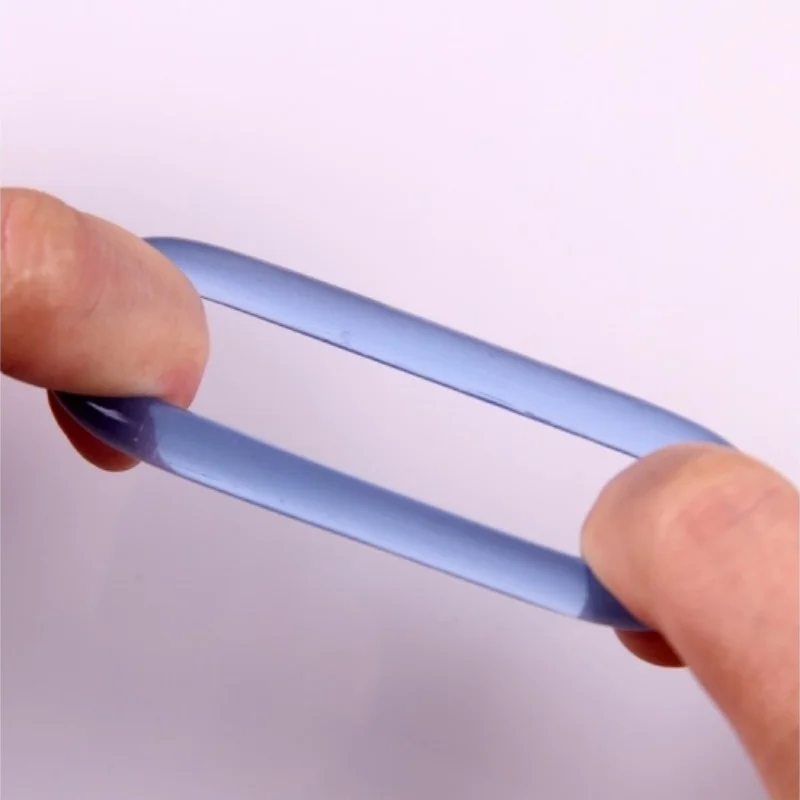
In this guide, we explain what a cock ring is, how it works at a product level, common types, safer materials, and practical safety basics. We also share beginner-friendly sizing, cleaning, and storage tips. At the end, we include a brief section for retailers on product selection and packaging.
What Is a Cock Ring?
New terms and materials can feel intimidating at first.
A cock ring is a wearable band intended to provide a firm, comfortable fit at the base of the penis, or around the penis and scrotum. Rings may be stretchy (silicone/elastic) or rigid (metal). Clear sizing, gentle tension, and proper care are key to safe, comfortable use.
Cock rings are typically circular bands with inner diameters ranging from compact to larger sizes. Stretchy rings (often silicone) suit many beginners because they accommodate variation and are easier to put on and remove. Rigid rings (such as stainless steel) require more precise sizing and are usually chosen by experienced users. Designs may be single bands, dual rings that include the scrotum, or adjustable styles with snaps or sliders for fine control. Some rings include a small vibrating module for added external stimulation. Product pages should always list the inner diameter and, for flexible rings, the suggested size range. As a starting point, choose a ring that feels comfortably snug, not tight, and follow the brand’s wearing-time guidance.
How Do Cock Rings Work?
It’s easy to wonder what “working” means in product terms.
At a product level, cock rings provide gentle, consistent tension that helps maintain a snug feel. They are designed for a secure, comfortable fit—never painful pressure. Fit, material, flexibility, and ring placement determine comfort and overall experience.
Product function depends on the balance between size and flexibility. Stretchy silicone rings disperse tension more softly and are more forgiving if your size changes during wear. Rigid rings do not stretch, so correct inner diameter is essential. Some designs rest only at the base of the penis; others include a secondary loop to gently engage the scrotum, which changes how the ring sits and feels. Vibrating versions add an external module on the top or bottom of the ring, which affects placement and orientation. No ring should pinch, chafe, or feel numb. If discomfort appears, remove the ring and reassess size, material, and placement. The product’s job is comfortable stability, not strain.
Common Types of Cock Rings
A crowded product page can blur differences between styles.
Common types include silicone cock rings, vibrating cock rings, rigid metal rings, adjustable straps, dual-ring designs, and packaged sets. Each type varies by flexibility, size control, and features. Beginners often start with soft silicone single rings or an adjustable option with clear size guidance.
Dive deeper into options:
- Silicone rings (single): Soft, stretchy, and beginner-friendly. They adapt to size changes and usually feel forgiving. Look for well-finished edges and matte surfaces for better grip.
- Vibrating cock rings: Include a small vibrating module for external stimulation. Controls may be button-based or app-based. Check battery type, runtime, charging method, and cleaning guidance for electronics.
- Metal rings (e.g., stainless steel): Rigid and weighty with no stretch. Precise sizing is essential. Users may appreciate the stable feel, but these are typically best after some experience.
- Adjustable straps: Often silicone or fabric with snaps or sliders for fine-tuning tightness. Helpful for learning what diameter feels comfortable before committing to a fixed size.
- Dual rings: One loop for the base of the penis, another for the scrotum. This design changes how the ring sits and may feel more secure for some users.
- Packaged sets: Multi-ring packs in different diameters and thicknesses let users compare fits and choose based on comfort.
When comparing, check inner diameter, ring thickness (width), flexibility, edging quality, and whether the design includes a quick-release feature.
Silicone Cock Rings vs Vibrating Cock Rings
Feature names can sound similar but work differently.
Silicone cock rings are simple, soft, and flexible wearables. Vibrating cock rings add an external module that provides additional sensation. Choose based on comfort, simplicity, and maintenance preferences. Beginners often start with plain silicone, then consider vibrating options later.
Silicone rings: Typically non-porous and body-safe when made from quality silicone, with varying levels of stretch. They are easy to clean and comfortable for many beginners. Focus on inner diameter ranges and thickness; thicker bands may feel firmer, while thinner bands stretch more. Vibrating rings: Add a motorized module (removable bullet or integrated motor). Look for sealed buttons, clear charging ports, and straightforward controls. Because a motor adds weight and a specific orientation, consider how the module will sit and whether it’s removable for cleaning. For both categories, water-based lubricant is a practical first choice, and many brands advise avoiding silicone-based lube on silicone surfaces unless they explicitly permit it. If you’re new, start with a plain silicone ring to learn your size and preferred tightness, then explore vibrating features when you’re comfortable with fit and care.
What Is an Ideal Cock Ring Material?
Material choice affects comfort, fit, and care.
Common materials include silicone, TPE/TPR blends, stainless steel, and ABS for components. Non-porous materials like quality silicone, stainless steel, and ABS surfaces are typically easier to clean. Always review brand guidance for care, lube compatibility, and wear-time recommendations.
Consider these material notes:
- Silicone: Widely used, usually non-porous when made well, and offers balanced stretch. Matte finishes often improve grip and comfort. Works well with water-based lube.
- TPE/TPR blends: Softer and often very stretchy, but may be porous and require extra cleaning care. Replace more frequently if surfaces show wear.
- Stainless steel: Rigid, durable, and non-porous with a smooth finish. Requires precise sizing and careful handling during removal. Some users appreciate the weight.
- ABS/plastics (for modules or parts): Non-porous surfaces on external housings; check seams for smoothness. Verify whether the vibrating unit is removable for cleaning.
For any material, inspect edges, seams, and surface finish. If sharing or switching between use areas, consider barriers and thorough cleaning.
Safety Tips for Choosing Cock Rings
Simple, careful steps reduce stress and support comfort.
Choose a ring with a comfortable inner diameter, rounded edges, and a material you trust. Start with shorter wear times and remove the ring if you feel discomfort, numbness, or temperature changes. Follow manufacturer instructions on placement, wear-time, and lube compatibility.
More safety considerations:
- Fit first: A ring should feel snug, not tight. If putting it on feels difficult or removal feels hard, size up or pick a more flexible option.
- Lube choice: Water-based lube is widely compatible and easy to clean. Some silicone lubes may not suit silicone rings unless the brand allows it.
- Time limits: Many brands suggest conservative wear windows. Avoid sleeping with a ring on. If unsure, choose shorter sessions.
- Quick removal: Prefer designs that allow easy removal. Adjustable straps or stretchy silicone offer extra flexibility.
- Watch for signals: Remove immediately if you feel pain, numbness, or unusual temperature change. Reassess size, material, and placement.
- Read the manual: Follow the brand’s specific guidance for your product, especially with vibrating modules or dual-ring designs.
How to Clean and Store Cock Rings
Clear care routines extend product life.
Clean before and after use with warm water and mild, fragrance-free soap or a suitable toy cleaner when allowed. Dry thoroughly. Keep electronics away from full submersion unless rated waterproof. Store rings separately to avoid lint and color transfer.
For silicone and stainless steel rings, a gentle wash and rinse usually works well. Pat dry and air-dry fully before storage to avoid moisture buildup. For vibrating cock rings, remove detachable bullets if possible and wipe non-removable motor areas with a lightly damp cloth, keeping ports dry. TPE/TPR rings may need more frequent inspections and replacement if the surface becomes tacky or shows wear. Avoid harsh solvents, and do not treat bleach as a default method. We don’t claim all products can be fully sterilized; follow brand instructions. Store in separate pouches or compartments, away from direct sunlight and heat. Checking batteries or charging levels before storage can help maintain performance for the next use.
What Retailers Should Know About Cock Ring Product Selection
Confusing size charts and vague materials create returns.
Clear material labels, size ranges, and wear-time guidance help shoppers choose confidently. Retail product pages benefit from inner diameter specs, stretch indicators, lube compatibility notes, and cleaning icons. Consistent photography and packaging reduce buyer hesitation.
In our experience, retailers who organize cock rings by type—silicone rings, vibrating rings, rigid metal rings, adjustable straps, and packaged sets—see fewer pre-purchase questions. Useful specs include inner diameter (in/mm), band thickness, stretch rating (low/medium/high), vibration details (motor type, runtime, charging), and quick-removal notes. Packaging that includes simple sizing guidance and safe-wear tips reduces support tickets. For private label, consider replacement bullets for vibrating rings, clear icons for cleaning and lube compatibility, and a visible size chart on the box. At wmcustomdolls, we help partners coordinate assortments with body-safe materials, straightforward instructions, and discreet, beginner-friendly packaging to support confident first purchases and repeat sales.
FAQ
Are cock rings and penis rings the same thing?
Yes. “Cock ring” and “penis ring” are common names for the same category of wearable rings. Product differences come from material, size, flexibility, and optional vibration.
How tight should a cock ring feel?
Snug, not tight. You should be able to put it on and remove it without pain. If you feel numbness, discoloration, or discomfort, remove it and consider a larger or more flexible ring.
Can I use silicone lube with a silicone cock ring?
Check the brand’s guidance. Some silicone lubricants may not be compatible with silicone surfaces, while others are permitted. Water-based lube is a practical first choice for many silicone rings.
How long can I wear a cock ring?
Follow the product’s instructions and choose conservative wear times. Avoid sleeping with a ring on. If you notice discomfort or temperature changes, remove it immediately.
Are vibrating cock rings reusable?
Often yes, but it depends on the design and build quality. Rechargeable or replaceable-battery modules may last longer. Always follow cleaning and charging instructions for the specific model.
How do I find the right size?
Look for inner diameter measurements, not just “small/medium/large.” If between sizes, many beginners choose a slightly larger or more flexible ring. Adjustable straps can help you learn your ideal fit.
Conclusion
Cock rings are easier to choose when you focus on fit, material, features, and care. Start simple, choose a comfortable size, follow instructions, and let comfort guide every decision.
Planning a Wholesale Order?
Share your product interests, estimated quantity and destination market with our team.
Request Wholesale Information