


Blog
Masturbation Cup Size Guide: How Do Opening, Channel Length, Shell Diameter, and Weight Compare?

Two masturbation cups can look almost identical in product photos while offering very different internal space, grip size, liner construction, and product weight. Total length alone does not explain how much of the product is actually usable internally or how the cup will feel in the hand.
A useful masturbation cup size guide separates overall product dimensions from the liner opening, usable channel length, liner flexibility, grip area, shell diameter, and weight. Retailers should use clearly defined measurement points and keep those methods consistent across comparable SKUs.
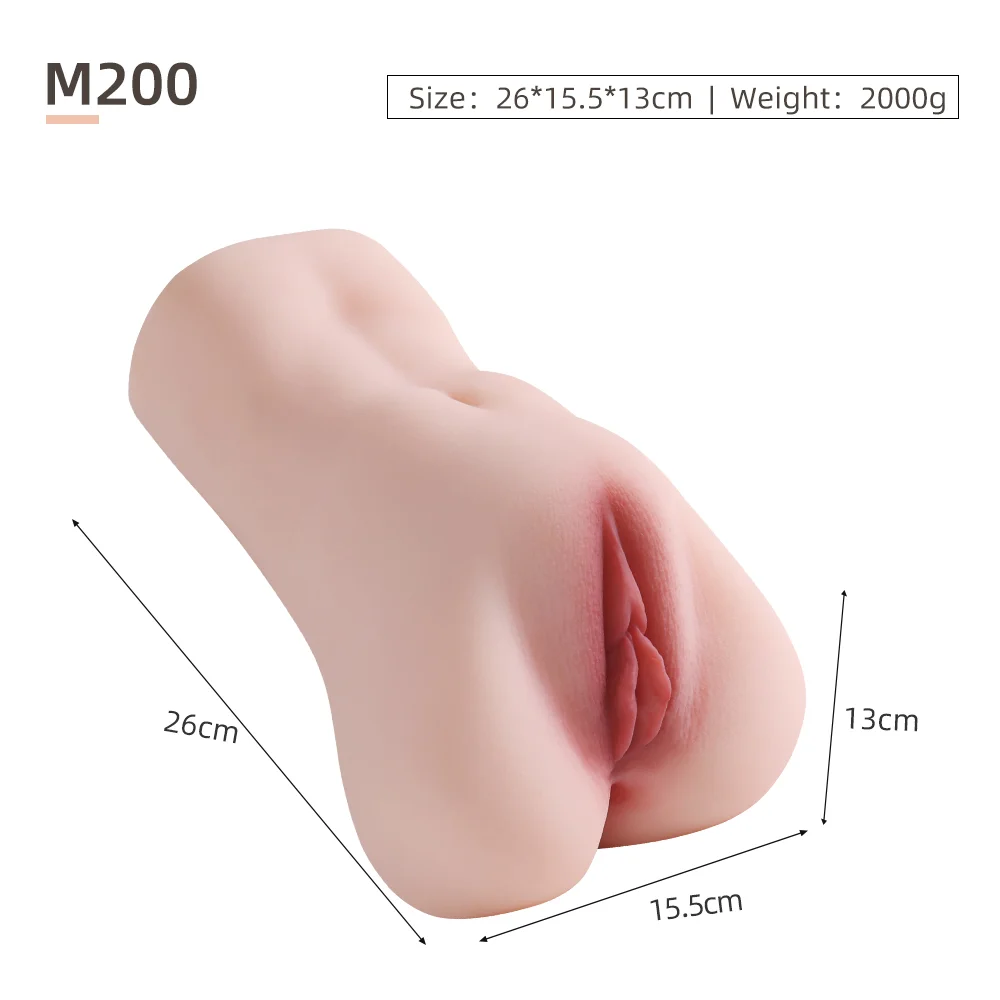
At WMCustomDolls, we recommend treating dimensions as a group of product specifications rather than a single size figure. Buyers may see total length and assume it also describes the internal channel, grip area, or liner capacity, but structured shells, thick liners, rear caps, or powered sections can all change the usable geometry inside the same outer footprint.
This guide is designed for adult buyers, retailers, sourcing teams, and private-label brands that need clearer product comparisons. For broader product-category context, visit our male masturbator guide. Here, we focus on how to measure, verify, and present size-related specifications in a consistent and practical way.
Why Are Outer Dimensions Not Enough?
A single overall-size figure can look useful while leaving the most important internal dimensions unclear. It may describe the external shell without telling buyers anything about the liner opening, usable channel, or grip area.
Outer dimensions describe the product’s overall footprint. Internal dimensions describe the space inside the liner, while handling dimensions such as grip width and product weight explain how the cup sits in the hand.
A product may be 18 cm long externally, but part of that length could be occupied by a cap, shell wall, decorative housing, closed base, or powered section. Another cup with the same overall length may provide a different internal channel because its construction is different.
This is why overall product length should not automatically be presented as usable length.
For retailers, external dimensions are still important. They help customers understand storage size, portability, packaging, and the overall scale of the product. The important part is labeling them clearly as “overall product length,” “outer shell length,” or another accurate term rather than implying that the figure represents the internal channel.
We suggest separating dimensions into two groups:
| Measurement Group | What It Explains | Common Listing Mistake |
|---|---|---|
| External dimensions | Overall footprint, storage, packaging, hand size | Treating total length as usable channel length |
| Internal dimensions | Liner opening, usable channel, internal geometry | Estimating from external product photos |
| Handling dimensions | Grip area, shell width, product weight | Ignoring how the product is actually held |
A simple technical diagram can remove much of this confusion. Measurement arrows should begin and end at clearly defined physical points. If a cap is permanently part of the supplied product, for example, overall product length may include it as long as the scope of the measurement is clearly stated.
For private-label projects, this distinction also affects packaging. A phrase such as “large size” can become misleading if it refers only to shell length while buyers expect a larger internal channel. Final size charts and artwork should therefore be based on the approved retail-intent sample or current production specification.
Which Opening and Channel Measurements Matter?
Opening size and usable channel length usually tell buyers more about the internal geometry than total shell length, but only when the measurement points are defined consistently.
Useful internal specifications include the resting liner opening and usable channel length. Where the supplier already defines these points, use that method. Otherwise, document the measurement method used on the approved sample and apply it consistently across comparable SKUs.
Define the Opening Measurement Point
The opening is not always a perfect circle. Some products have an oval or contoured liner opening, while structured cups may have an external shell opening that is visibly larger than the soft liner opening.
A practical listing may include:
- Shell opening diameter or width: The external opening in a structured housing.
- Liner opening diameter or width: The resting opening of the soft internal liner.
- Opening shape: Round, oval, contoured, or another verified description.
- Measurement condition: Resting and uncompressed, unless another documented method is used.
If the liner opening is oval rather than circular, a single “diameter” may not describe it well. Width and height can be clearer where relevant.
Do not present the resting opening as a fixed fit limit. Flexible liners can deform during use, and the amount of flexibility varies by material, wall thickness, internal texture, and product construction.
Measure Usable Channel Length Separately
Usable channel length should remain separate from total liner length and overall product length.
Where the manufacturer provides a defined usable depth, use that figure and measurement method. If the supplier does not define it, record the method used on the approved sample so future comparisons remain consistent.
A practical process may include:
- Identify the liner opening used as the starting reference.
- Measure into the main internal channel using the same method across comparable products.
- Stop at the supplier-defined usable end point or the internal end point established in the approved measurement method.
- Note whether the channel is straight, tapered, curved, or otherwise shaped where that information is relevant.
- Keep the measurement method in the internal SKU specification.
Two products may both list the same usable channel length while differing in opening size, taper, wall thickness, and flexibility. The number remains useful, but it should be read together with the rest of the construction.
For wholesale comparisons, confirm these figures against the current sample or supplier specification rather than copying dimensions from an older listing without checking whether the SKU or liner has changed.
How Should Liner Stretch and Firmness Be Described?
Stretch can matter, but a number without a defined method can create more confusion than clarity.
Describe liner flexibility qualitatively unless the supplier already provides a documented and repeatable measurement method. Keep flexibility separate from the resting opening measurement so buyers do not confuse opening size with how much the liner can deform.
Liner flexibility is one of the easiest specifications to oversimplify.
A relatively small resting opening may use a flexible liner. A larger opening may be surrounded by a firmer or thicker construction. Neither opening size alone explains how the product behaves.
Avoid unsupported statements such as:
- “Fits all sizes”
- “Stretches to X cm”
- “Extra-tight fit”
- “Universal fit”
- “Maximum elasticity”
These claims can create unrealistic expectations because liner behavior may depend on material formulation, wall thickness, internal texture, temperature, shell support, and the exact design.
Instead, use descriptive language linked to the current sample or manufacturer documentation:
| Liner Detail | Safer Listing Approach |
|---|---|
| Flexible liner | “Flexible liner with a measured resting opening” |
| Firmer liner | “More structured liner feel based on the current sample” |
| Thick liner wall | “Thicker liner construction where documented” |
| Tapered channel | “Internal channel narrows or changes shape as shown in the product diagram” |
| Removable liner | “Removable liner where confirmed for the exact SKU” |
For B2B comparison, consistency matters more than creating a new stretch scale. Use the same resting-state measurement approach and the same qualitative language across the range.
If a supplier already provides formal stretch data, keep the published figure tied to that documented method. Otherwise, a qualitative flexibility description plus the resting opening measurement is usually clearer than creating an in-house maximum-stretch figure.
Firmness should also remain separate from material naming. TPE and silicone liners can vary significantly by formulation, wall thickness, and product design, so material alone should not be used as a firmness rating.
Why Do Shell Diameter and Grip Matter?
A cup can have suitable internal dimensions while still feel very different in the hand. Shell diameter and grip shape affect handling, storage, and the overall external size of the product.
Shell diameter describes the outer body, while the grip area can give buyers a better idea of how the product is held. Where those measurements differ, both can be useful.
Measure the Product Where It Is Held
Structured cups are not always uniform cylinders.
Some are narrower through the middle, wider around the opening, or shaped with grooves, panels, or dedicated grip areas. A single maximum diameter may therefore hide useful handling differences.
Where relevant, list:
- Maximum outer shell diameter or width
- Grip-area diameter or width
- Shell circumference, if your internal measurement system uses it
- Base diameter
- Cap diameter
- Whether the shell is rounded, tapered, faceted, or otherwise shaped
The grip area may be more useful for handling comparison than the maximum shell measurement.
A cup may have a wide front section around the opening but a noticeably narrower body where the hand normally holds it. Another may maintain nearly the same width from front to rear and therefore feel larger despite having a similar overall length.
Make Product Images Match the Measurements
Product dimensions should be supported by clear, neutral diagrams.
Close-up photography, dramatic angles, or inconsistent scaling can make one cup appear much larger or smaller than another. A simple line drawing or product image with measurement arrows is often more useful for comparison.
The same discipline should apply to filters.
Terms such as compact, standard, or wider-grip can be useful only when the retailer already has a documented internal definition. If no such standard exists, exact measurements are clearer than creating another size label.
For product examples, buyers can compare current TPE masturbation cup wholesale products while confirming final dimensions against the current SKU documentation before publication.
How Does Product Weight Change Handling?
Weight is often missing from basic product listings, yet it can affect handling, packaging, shipping, and the overall feel of a structured product.
Product weight should be listed separately from retail package or shipping weight. Its effect on handling depends on the product’s shape, shell, liner, and powered components rather than weight alone.
A lightweight soft sleeve and a structured cup can have similar outer dimensions while feeling noticeably different in the hand. Shell material, liner thickness, batteries, electronics, caps, and accessories can all contribute to the finished weight.
For buyers, product weight can help explain:
- How substantial the product is
- How it compares with another cup of similar size
- Whether the construction includes a rigid shell or powered components
- How convenient it may be for storage or travel
Weight should not be used as a shortcut for quality or comfort.
For retailers and distributors, weight is also useful for fulfillment and logistics, but the type of weight needs to be labeled clearly.
| Weight Type | Definition | Use Case |
|---|---|---|
| Net product weight | Main product and permanently attached components | Buyer comparison |
| Accessory-inclusive weight | Product plus separately included accessories | Package-content clarity |
| Retail package weight | Complete boxed retail unit | Fulfillment and shipping |
| Carton weight | Multiple retail units in an outer shipping carton | Wholesale logistics |
Do not reuse an old weight figure after the liner, shell, accessories, or packaging have changed.
For private-label projects, new inserts, cables, pouches, retail boxes, or other components can change packed weight even when the main cup remains the same.
The final approved product and packaging configuration should therefore determine the published weight figures.
What Should a Retail Size Diagram Include?
A good size diagram turns measurements into a comparison buyers can understand. A poor diagram uses unclear arrows, inconsistent units, or dimensions that do not match the current SKU.
A retail size diagram should show the dimensions that meaningfully describe the product: overall length, maximum shell size, grip area where relevant, liner opening, usable channel length, and product weight. Removable parts should be identified when they affect those measurements.
The diagram should be neutral, product-specific, and easy to read.
It does not need to show every internal texture or decorative detail. Its main job is to define the measurement points clearly.
At WMCustomDolls, useful fields can include:
- Overall length: Measured across the complete supplied product using a clearly defined start and end point.
- Maximum shell diameter or width: Measured at the widest external location.
- Grip diameter or width: Measured at the section intended to be held where that section differs from the maximum shell size.
- Liner opening: Clearly distinguished from the outer shell opening.
- Usable channel length: Shown separately from overall product length.
- Liner note: Qualitative flexibility or construction information where relevant.
- Weight: Clearly identified as net product weight or another defined weight type.
- Cap, base, or liner status: Removable components identified where they affect the measurement.
Keep Units and Methods Consistent
Choose a primary measurement system for the target market and use it consistently.
Centimeters may be the main internal specification, with inches added for customer-facing pages where useful. The important point is not whether every figure uses maximum precision, but whether the same rounding and measurement rules are used across the catalog.
A shared specification source also prevents different channels from publishing conflicting figures.
The package, PDP, marketplace listing, internal product sheet, catalog, and sales material should all pull from the same approved measurement record rather than maintaining separate numbers independently.
How Can Wholesale Buyers Check Measurement Consistency Before Bulk Approval?
A specification sheet is only useful when it represents the same product being approved for production.
Wholesale buyers should use one measurement template across comparable SKUs, confirm the important fields against the approved retail-intent sample or current supplier specification, and keep customer-facing assets aligned with that record.
Use One Measurement Template
Before bulk approval, keep a controlled SKU record that separates external dimensions, internal measurements, liner construction, grip information, and weight.
This becomes especially useful when comparing products from several manufacturers or evaluating OEM/private-label alternatives that look similar in supplier catalogs.
A practical approval checklist includes:
| Checkpoint | What to Confirm |
|---|---|
| Sample identity | SKU, color, shell, liner, cap, and accessory configuration |
| Outer dimensions | Overall length, maximum diameter/width, grip measurement |
| Internal geometry | Liner opening and usable channel measurement points |
| Liner status | Fixed or removable; qualitative flexibility description |
| Weight | Net product weight and retail package weight |
| Packaging | Box dimensions, included accessories, insert configuration |
| Documentation | Measurement diagram, date, and current revision/reference |
Compare Sample, Artwork, and Product Page Together
Private-label buyers should review product specifications before packaging artwork is finalized.
A new box, cable, pouch, cap, manual, or paper insert may not change the main product dimensions, but it can change package weight, package contents, and carton planning.
If a product dimension or configuration changes before production, update the relevant customer-facing assets rather than allowing the PDP, package, catalog, and marketplace feed to describe different versions.
A simple date or revision reference can make these updates easier to track without turning the process into an overly complicated documentation system.
For sourcing support, packaging coordination, or private-label discussions, contact WMCustomDolls with the target product categories and the specification fields you need to compare.
FAQ
Does total cup length equal usable channel length?
No. Total product length includes the outer construction and may include a cap, base, shell wall, or powered section. Usable channel length should be recorded separately using clearly defined internal measurement points.
Should liner stretch be listed as a number?
Only when it comes from a documented and repeatable supplier or product-specific method. Otherwise, use a clear qualitative flexibility description together with the resting liner-opening measurement.
Why does shell diameter matter?
Shell diameter or width helps buyers understand the external size and grip of the product. It should remain separate from liner-opening measurements because the outer shell and internal liner can differ significantly.
Can two cups with the same outer dimensions fit differently?
Yes. They may have different resting openings, usable channel lengths, liner thicknesses, internal shapes, shell structures, and flexibility. This is why a complete measurement set is more useful than one overall-size figure.
Conclusion
Clear masturbation cup measurements make product comparisons more useful because outer size, internal channel, liner flexibility, grip, and weight describe different parts of the same product. Overall length should not be presented as usable channel length, and flexible liners should not be reduced to unsupported stretch or universal-fit claims. Retailers and wholesale buyers can improve listings by using consistent measurement points, separating shell and liner data, and keeping the approved sample, size diagram, packaging, and PDP aligned to the same current SKU. Browse our male masturbator guide or contact WMCustomDolls for wholesale sourcing, mixed orders, packaging, and private-label coordination.
Planning a Wholesale Order?
Share your product interests, estimated quantity and destination market with our team.
Request Wholesale Information