


Blog
What Are Butt Plugs Used For? Types, Materials, and Safety Basics

Curious but cautious? We explain butt plugs clearly so you can make comfortable, confident decisions without guesswork.
On this page 10 sections
Butt plugs are small, tapered anal plugs with a flared base designed for comfortable fullness, body-safe materials, and easy removal. Beginners start small, focus on smooth finishes, and stop if there is pain or discomfort. Always read product instructions and follow safe cleaning steps.
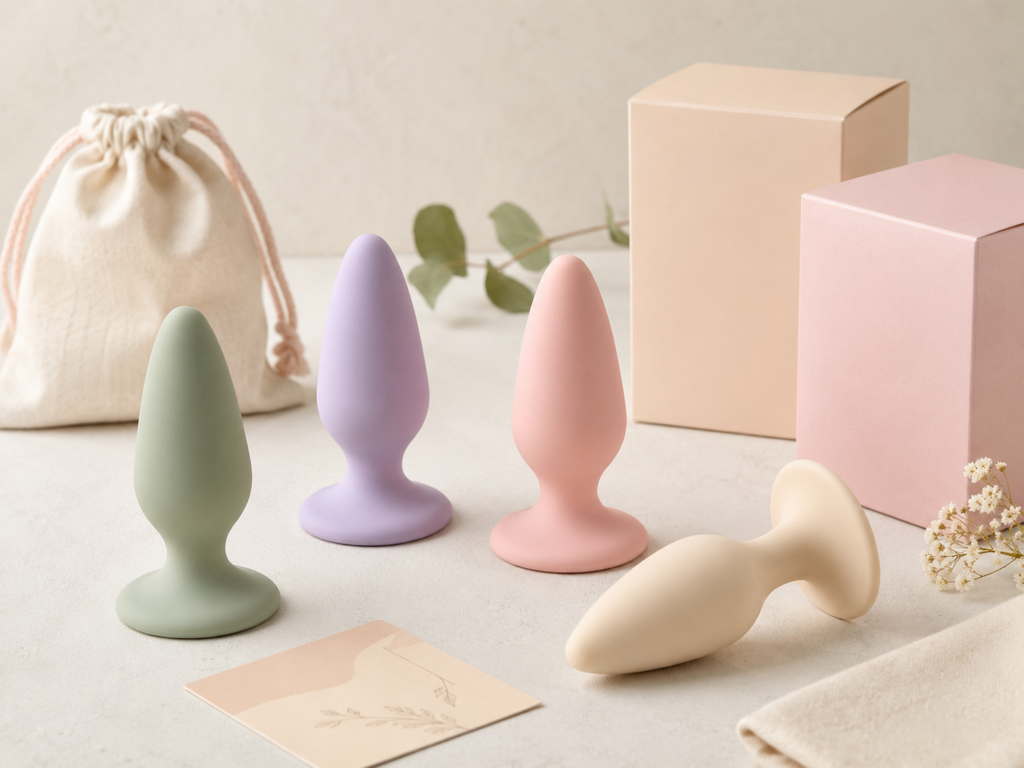
In our experience, clarity reduces nerves. We’ll cover what butt plugs are, how they’re used, types and materials, safety basics, and why packaging and instructions matter for both buyers and retailers.
What Is a Butt Plug?
Vague definitions cause confusion and hesitation.
A butt plug is an anal-safe accessory with a tapered body and a flared base or handle that prevents over-insertion and supports easy removal. Good designs prioritize smooth surfaces, clear size labeling, and materials suited for simple, hygienic cleaning.
- Shape and base: The tapered tip helps comfortable insertion; the neck allows the base to sit securely. A flared base or sturdy loop is essential for control and safety.
- Size range: Products typically range from petite beginner sizes to larger, more filling options. Beginners often do best with compact, lightweight designs.
- Finish quality: Smooth seams and a consistent surface reduce irritation and help with cleaning. Low-odor profiles are a positive sign of stable materials.
- Materials and care: Silicone, stainless steel, and ABS/silicone hybrids are common. Pair materials with cleaning steps described in the manual.
- Instructions matter: Clear packaging and care cards simplify first use, cleaning, and storage. In our view, good documentation is part of product quality.
What Are Butt Plugs Used For?
Unclear expectations can lead to the wrong purchase.
Butt plugs are used for comfortable fullness, warm-up before other anal play, and personal exploration of pressure and sensation. They are not medical devices. Use only with a flared base, choose the right size, apply compatible lubricant, and stop if there is discomfort.
- Comfort and pressure: Many people use plugs for the steady feeling of fullness. A balanced size and smooth finish help keep the focus on comfort.
- Warm-up and pacing: Smaller sizes can help users learn their preferences at a gentle pace. Move gradually and pay attention to how your body feels.
- Everyday practicality: Some designs are marketed for short, seated wear, but long sessions are not necessary. Monitor comfort, and remove the product if anything feels off.
- Privacy and discretion: Compact designs and quiet, non-vibrating models keep things simple for beginners who want low-profile options.
- What to avoid: Products without a flared base, vague material labels, or rough finishes. Safety and comfort should come first.
Common Types of Butt Plugs
Too many choices can overwhelm first-time buyers.
Common types include classic silicone butt plugs, vibrating anal plugs, weighted or metal plugs, trainer kits with multiple sizes, and novelty shapes with safety bases. Beginners often prefer soft, tapered, non-vibrating designs with clear instructions.
- Classic silicone plugs: A tapered shape with a flared base or loop handle. Soft surface, easy care, and a wide range of sizes make them beginner-friendly.
- Vibrating anal plugs: Add adjustable vibration. Look for stable motors, quiet operation, and clear charging details. Start with low settings and simple controls.
- Weighted or metal plugs: Stainless steel or weighted cores offer a heavier feel and sleek finish. They are smooth and easy to clean, though the weight feels different in daily wear.
- Trainer kits: Butt plug trainer kits provide several sizes to progress gradually. Choose kits with clear size labeling, smooth finishes, and a consistent base design.
- Specialty shapes: Some products have decorative features but should still include a flared base and smooth contact surfaces. Prioritize comfort and care clarity.
- Selecting the right type: Begin with a small, smooth plug to learn comfort levels before exploring vibration, weight, or larger sizes.
What Materials Are Commonly Used for Butt Plugs?
Material jargon can make buying harder than it needs to be.
Common materials include body-safe silicone, stainless steel, ABS plastic (often as a core or handle), and TPE in some designs. The best choice depends on comfort, care routine, and the product’s purpose.
- Silicone butt plugs: Often soft and matte with a gentle grip. Many buyers like easy cleaning with mild soap and warm water when waterproof. Look for low odor and smooth seams.
- Stainless steel: Smooth, weighty, and sleek. It cleans easily and feels very different due to the added weight. Handle carefully and store in a pouch to avoid scratches.
- ABS plastic + silicone: A rigid core or handle with a silicone exterior combines structure with a comfortable surface. Confirm where each material is used.
- TPE-based designs: Soft and flexible, but may need gentler cleaning and careful drying. Follow the manual closely; check for finish stability over time.
- Coatings and finish: Decorative coatings should be even and durable. Avoid abrasive cleaners that can damage finishes.
We advise choosing material types you understand and can clean consistently.
How Long Is It Safe to Wear a Butt Plug?
Unclear limits can cause worry.
There isn’t one “right” duration for everyone. Short sessions are usually sensible for beginners. Pay attention to comfort, remove the plug if you feel pain or numbness, and seek professional help in emergencies.
- Start with short sessions: Many beginners keep wear time brief to learn comfort levels. There’s no need to push duration; quality of experience matters more than length.
- Fit and size: A smaller, tapered design with a comfortable neck reduces pressure during seated or brief movement. If it feels too tight or distracting, downsize or pause.
- Material and base: A smooth surface and secure base reduce friction and help with easy removal. Check the base position periodically to ensure it remains comfortable.
- Hygiene and care: Clean before and after use according to the manual. Dry thoroughly and store separately in a pouch.
- Practical cautions: Avoid wearing while sleeping or during strenuous activity. If you cannot remove the product or experience sharp pain, stop and seek appropriate help.
Butt Plugs vs Anal Beads: What’s the Difference?
Mixing up product types leads to confusion.
Butt plugs are single-piece plugs with a flared base for steady fullness. Anal beads are a series of connected beads designed for gradual insertion and removal. Both should include a safe base or retrieval handle and smooth finishes.
- Design: Plugs have a tapered body and neck that sit comfortably with a base. Beads are multiple spheres or shapes on a flexible stem with a handle or loop.
- Sensation focus: Plugs emphasize steady pressure; beads emphasize gradual changes as beads move in or out. Both should be used gently and with care.
- Size and progression: Trainer kits exist for both categories. Beginners often start small, then progress if comfortable.
- Safety features: A flared base or secure handle is essential in either category. Smooth seams and clear material labels help with cleaning and comfort.
- Choosing between them: If you prefer consistent fullness, consider a plug. If you prefer gradual, step-by-step sensation changes, beads might be interesting later on.
Quick comparison:
| Feature | Butt Plugs | Anal Beads |
|---|---|---|
| Core Design | Tapered body + neck + flared base | Series of beads + flexible stem + handle |
| Primary Feel | Steady fullness/pressure | Gradual changes during movement |
| Beginner Fit | Start small, smooth finishes | Start with small bead sets and clear handles |
| Key Safety | Flared base, smooth seams | Retrieval handle/loop, smooth seams |
Safety Tips for First-Time Buyers
Unclear guidance can reduce confidence and comfort.
Choose a plug with a flared base, start with a small size, and use a compatible lubricant as the manual suggests. Stop immediately if there is pain or discomfort, and seek professional help in emergencies.
- Start small and smooth: A compact, tapered design with a narrow neck typically feels more manageable for first-timers.
- Base design: A wide, stable base or loop helps control and prevents over-insertion. Avoid items without a clear base.
- Materials and finish: Select body-safe materials with low odor and smooth seams. Silicone or polished steel are common, beginner-friendly surfaces.
- Vibration basics: If you try vibrating anal plugs, choose stable, low-noise motors and simple controls. Begin at the lowest setting.
- Cleaning and storage: Follow the manual. Many silicone surfaces rinse with mild soap and warm water when waterproof. Dry completely and store separately.
- Personal awareness: There’s no benefit to ignoring discomfort. Pause, reassess size or fit, and proceed only when you feel comfortable.
What Retailers Should Know About Butt Plug Materials and Packaging
Great designs can be overshadowed by unclear materials or instructions.
Retailers should prioritize body-safe materials, smooth finishes, and size clarity across SKUs. Clear packaging, care icons, and honest waterproof claims reduce support tickets, returns, and negative reviews for anal plug products.
- Material transparency: Confirm surface materials (e.g., silicone exterior, ABS handle) and finish expectations. Avoid vague labels like “soft rubber.” Request consistent color and seam standards.
- Size range and progression: Stock beginner-friendly sizes and butt plug trainer kits with clear millimeter measurements. Include diagrams and quick-start cards to set expectations.
- Motor and charging details: For vibrating anal plugs, specify charging type, runtime estimates, and noise level ranges. Align claims with realistic testing.
- Packaging and inserts: Use discreet, protective boxes with clear icons for cleaning and waterproof ratings. Include storage pouches where it improves value.
- QC and batch consistency: Stable materials and repeatable assembly reduce defects and returns. Our team at wmcustomdolls often helps confirm options and coordinate mixed orders for reliable assortments.
- Channel fit: Match copy and compliance to USA, UK, and EU requirements. For private label, keep language cautious and support simple care steps that beginners understand.
For continued planning on our site, consider: anal toys, silicone adult toys, adult toys wholesale.
FAQ
Are silicone butt plugs better for beginners?
Silicone often feels soft and has straightforward cleaning when waterproof, which many beginners appreciate. It’s not the only option, but it’s a practical starting point for comfort and care.
Do vibrating anal plugs suit first-time users?
Some beginners like low-intensity vibration with simple controls. Start small, begin on the lowest setting, and stop if anything feels uncomfortable.
How do I pick the right size?
Start with a small, tapered design and read the product’s measurements. You can explore larger sizes later if comfortable. Comfort should guide every step.
Can I wear a butt plug for several hours?
There’s no one-size-fits-all duration. Beginners typically keep sessions short and monitor comfort. Remove immediately if there’s pain, and seek help only for emergencies.
How should I clean and store a plug?
Follow the manual. Many silicone plugs clean with mild soap and warm water when waterproof. Dry fully and store separately in a pouch or box.
Conclusion
Choose thoughtfully: start small, prioritize a flared base and smooth materials, and read care steps. When in doubt, our team at wmcustomdolls can help you compare options.
Planning a Wholesale Order?
Share your product interests, estimated quantity and destination market with our team.
Request Wholesale Information